+90 (544) 637 49 04
 bilgi@kecedünyasi.com



Felt-Based Intelligence-Developing Activities for Children
Today, activities that support children’s cognitive development have become more important than ever. In this context, felt-based intelligence-developing activities—both fun and educational—offer unique opportunities for children to enhance their creativity and problem-solving skills. Felt is an ideal material that captures children’s attention with its colorful appearance and texture, while also helping them develop fine motor skills and hand–eye coordination. In this blog post, we will explore a variety of creative and educational felt activities that contribute to your children’s mental development. So, get ready to open the doors to this colorful world where little ones can both have fun and learn!
The Benefits of Felt-Based Intelligence-Developing Activities for Children’s Development
The importance of play and creative activities in children’s development cannot be overstated. In this context, felt-based intelligence-developing activities help children enhance their cognitive, emotional, and social skills. Felt is a colorful and flexible material that children can easily shape, encouraging them to use their imagination freely. Activities made with felt support the development of problem-solving skills while also improving attention and concentration.
Working with felt teaches children about colors, shapes, and textures, strengthening their visual perception. Actions such as cutting, gluing, and sewing during these activities improve fine motor skills and hand–eye coordination. Such activities also teach children patience and how to follow a project from start to finish.
Felt-based intelligence-developing activities also contribute to the development of children’s emotional intelligence. The sense of achievement gained from completing a project boosts self-confidence. Group felt activities help children adapt to teamwork, learn to share, and take turns.
Finally, felt activities provide a safe and supportive environment for children to express their creativity. By using felt, children can create their own worlds, tell their own stories, and express their emotions in an artistic way. These activities help children discover themselves and grow into emotionally healthier individuals.
Felt-based intelligence-developing activities contribute to children’s holistic development and prepare them better for life. While supporting creativity and cognitive growth, these activities also ensure that children enjoy meaningful and fun experiences.
Step-by-Step Felt Activities: Starting Simple and Becoming an Expert
Felt-based intelligence-developing activities are creative pursuits that add color to the worlds of both children and adults, supporting fine motor skills, creativity, and cognitive development. On a journey from beginner to mastery, these felt activities include both simple and complex projects, allowing individuals at every level to express themselves and develop their skills.
Starting with cutting simple shapes from felt is an excellent way to get to know the material and build basic hand skills. This first step enhances fine motor skills and hand–eye coordination while encouraging creativity. Over time, participants move on to more complex felt-based activities. For example, creating animal figures, flowers, or characters helps you learn how to add details and combine colors effectively. This process strengthens problem-solving skills and improves the ability to plan and execute projects.
At more advanced levels, functional projects such as interactive felt toys and games offer opportunities to develop both aesthetic and practical skills. Using felt for educational purposes—such as learning mathematics or language—makes learning fun while contributing to children’s cognitive development.
In the mastery phase, felt projects gain artistic and technical complexity. At this stage, pushing the boundaries of felt work through three-dimensional models, detailed portraits, or intricate patterns maximizes creativity. These advanced felt-based intelligence-developing activities elevate craftsmanship and enhance the quality and refinement of completed projects.
Felt-based intelligence-developing activities go beyond being a simple hobby; they become a valuable tool for enhancing cognitive growth and creative expression. Each new project offers an opportunity for exploration and learning, and every skill and experience gained along the way helps uncover the endless possibilities of working with felt.
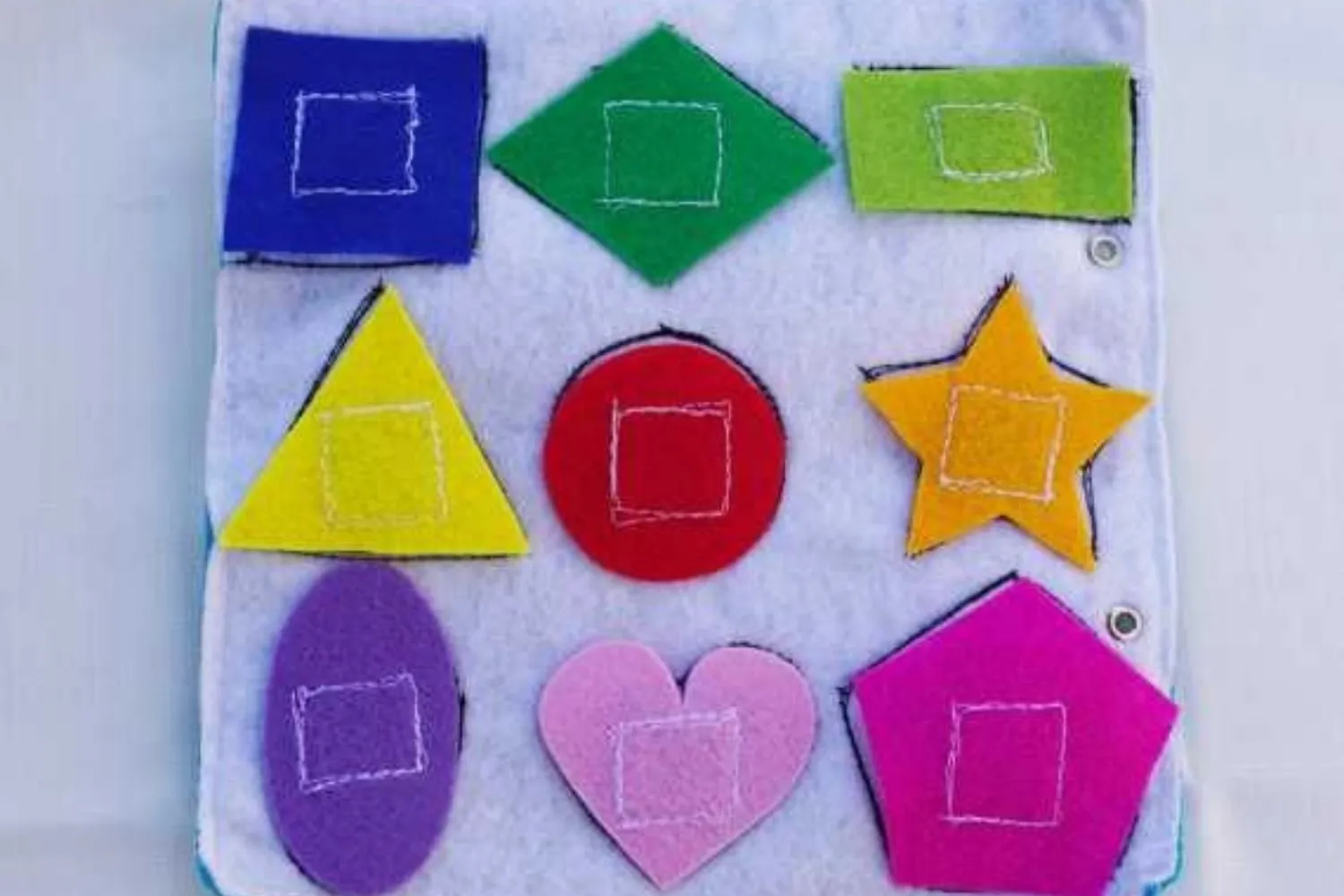
Beginner Level: Easy Felt Activities
One of the most enjoyable ways to develop children’s fine motor skills and creativity is to start with felt-based intelligence-developing activities. Felt is an easy-to-work-with and colorful material, which naturally attracts children’s attention and can keep them engaged for long periods. Beginner-level felt activities are designed to improve children’s fine motor skills, color and shape recognition, while also helping them gain cognitive abilities such as problem-solving and concentration. Here are a few easy felt activities you can comfortably try at home with your children:
Simple Felt Animal Figures
Using colorful felt pieces, make simple animal figures with your children. This activity encourages imagination and helps children learn about animals. Cutting small felt pieces and layering or gluing them together improves fine motor skills.
Colorful Felt Puzzles
Cut different geometric shapes from felt and let your children combine these pieces to create various shapes and pictures. This simple puzzle activity enhances problem-solving skills while helping children learn shapes and colors.
Felt Flowers and Trees
Nature-themed felt activities allow children to explore and appreciate the natural world. By cutting simple flower and tree shapes, you can create nature-inspired artworks together. This activity supports visual perception and creativity.
Felt Alphabet Letters
Cutting alphabet letters from felt with your children is both fun and educational. This activity helps improve letter recognition while supporting language learning. Cutting each letter in a different color can also help children learn colors.
These beginner-level felt activities have positive effects on children’s hand–eye coordination, creativity, and cognitive development. Felt-based intelligence-developing activities help enhance children’s mental skills while offering them an enjoyable way to spend time. With these simple projects, you can encourage your children to express their creativity and gain new skills.
Intermediate Level: Felt Projects That Support Cognitive Development
After children gain basic skills with felt, challenging them with slightly more complex projects will both enhance their abilities and offer new learning opportunities. Intermediate-level felt projects are designed to further develop children’s problem-solving, decision-making, and critical thinking skills. Below are some felt projects that can help children advance their skills and creativity at an intermediate level:
Complex Animal Figures and Characters
Now that children are comfortable cutting and assembling simple shapes, they can move on to creating more detailed and complex animal figures or fictional characters. These projects involve fine details that require focus, helping improve concentration and attention. At the same time, thinking about how to highlight the features of animals or characters using different colors and textures strengthens analytical thinking skills.
Interactive Felt Maps
Creating world maps or imaginary maps from felt helps improve children’s geography knowledge while also developing spatial awareness. Using different colors to mark countries, bodies of water, and mountains encourages learning about the world and sparks creativity.
Felt-Based Brain Games
As an intermediate project, children can design felt-based brain games such as mazes, memory cards, or simple puzzles. These activities promote creative thinking while also enhancing cognitive skills like problem-solving and memory.
3D Felt Models
For a more advanced felt project, children can try making three-dimensional models. These projects improve spatial thinking and hand–eye coordination, while also building patience and attention to detail. Simple house models or 3D versions of favorite animals are great examples of projects children can create using their imagination.
Intermediate-level felt projects are an excellent way to develop children’s skills and introduce new challenges. Through felt-based intelligence-developing activities, children can express their creativity while gaining essential skills such as critical thinking, problem-solving, and spatial perception. These projects are also designed to strengthen children’s self-confidence and ability to work independently
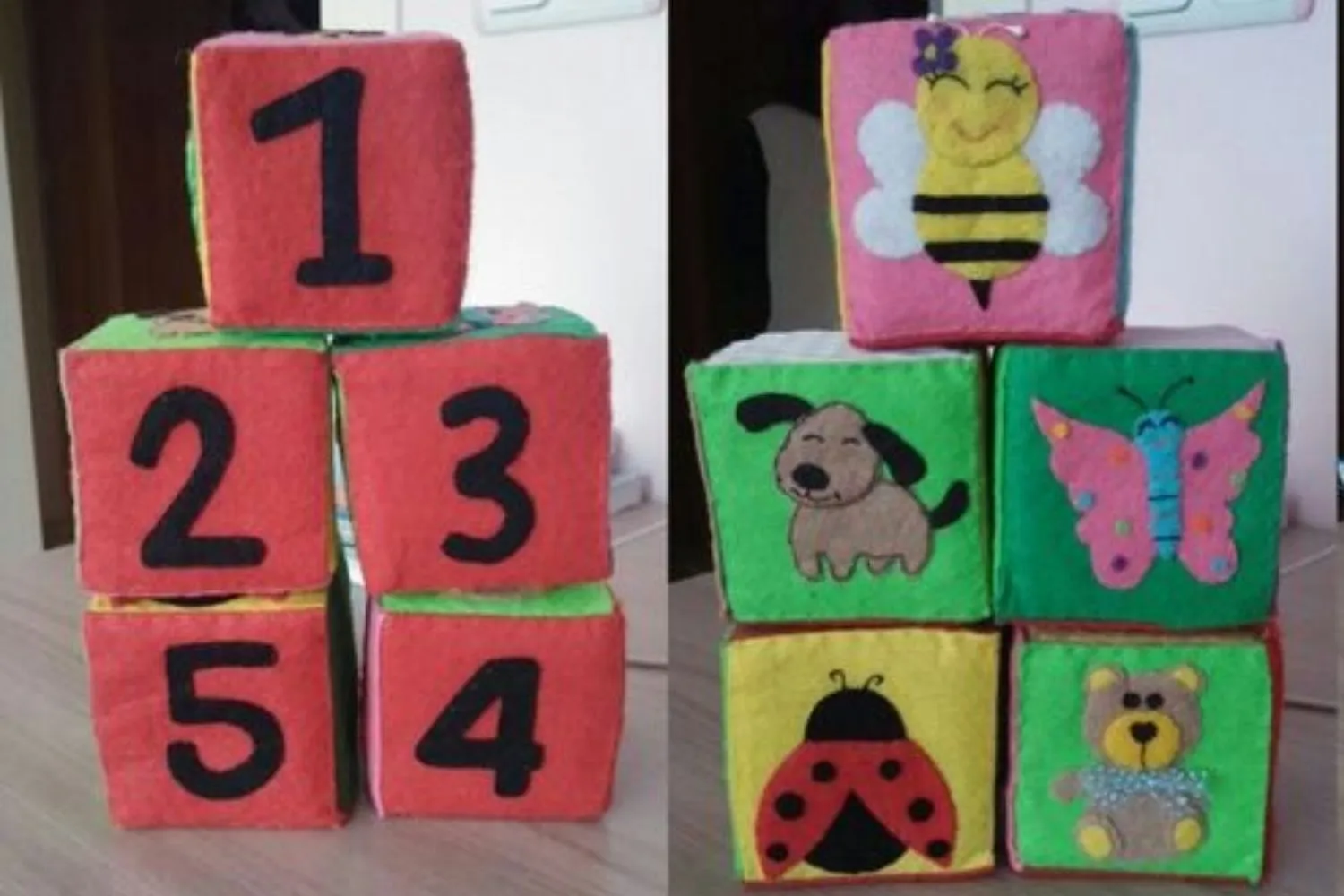
Advanced Level: Problem Solving Through Complex Felt Activities
Multi-Layered Felt Boards
Multi-layered felt boards help children develop storytelling and scene-building skills. These projects require children to design a story or event as a three-dimensional scene using felt pieces. Such activities enhance planning and organizational abilities as well as spatial thinking skills. At the same time, storytelling supports emotional expression and communication skills.
Moving Felt Toys and Mechanisms
As an advanced project, children can try creating moving toys with simple mechanisms—for example, a felt puppet theater or a butterfly with movable wings. These projects help children understand basic engineering concepts and how things work, while also improving fine motor skills and problem-solving abilities.
Advanced Felt Puzzles
Children can challenge their problem-solving skills by designing more complex felt puzzles, such as multi-piece puzzles that reveal a specific image or pattern when assembled. These activities increase attention and focus, while also fostering patience and attention to detail.
Advanced Felt Mathematics Models
Learning mathematical concepts and geometric shapes through felt models strengthens children’s mathematical thinking skills. For instance, creating complex patterns with different geometric shapes or building three-dimensional geometric models helps children understand and explore mathematical concepts in a tangible way.
Felt Art and Design Projects
Advanced felt activities can further develop children’s artistic skills and design thinking. Creating intricate patterns, detailed portraits, or abstract artworks deepens their understanding of visual arts and enhances aesthetic judgment.
Advanced felt-based intelligence-developing activities support children’s problem-solving, critical thinking, and creativity, while also giving them experience in planning and executing complex projects. These activities are designed to build self-confidence and independent working skills, making a positive contribution to children’s future learning and creative endeavors.
Supporting Sensory Development with Felt-Based Intelligence-Developing Activities
Children’s sensory development is vital for exploring and learning about the world around them. In this process, felt-based intelligence-developing activities contribute to both sensory and cognitive development by stimulating children’s senses in various ways. Felt is an excellent material for enhancing sensory perception thanks to its texture, colors, and flexibility.
Felt-based intelligence-developing activities support children’s tactile perception. The soft and sometimes slightly raised texture of felt helps children feel and distinguish between different textures. These activities improve fine motor skills while also enhancing hand–eye coordination and attention. For example, cutting shapes from felt or assembling felt pieces to create an image requires children to actively use both tactile and visual perception.
Colorful felt pieces strengthen children’s visual perception. The ability to distinguish and name different colors is supported through felt activities. This also enhances creativity and aesthetic judgment. Creating patterns and designs using various colors and shapes contributes positively to visual intelligence development.
Felt activities can also support auditory skills. For instance, felt toys or simple musical instruments that produce different sounds help children develop auditory perception and sound discrimination skills. Felt rattles or drums can strengthen cause-and-effect understanding and rhythm awareness.
Sensory-supportive felt-based intelligence-developing activities also contribute to language development. As children describe their experiences during felt activities, they learn new words and improve their language skills. Interaction with parents or educators during these activities further enhances verbal expression and social communication abilities.
Felt-based intelligence-developing activities are a versatile tool that not only support sensory development but also strengthen children’s cognitive, social, and language skills. These activities help children better understand their environment, gain new abilities, and develop creative thinking.
You can source the materials for these creative and enjoyable activities from Keçe Dünyası.
For everything you’re curious about felt care and cleaning, you can also read: How to Care for and Clean Felt?