Our News 3min read

What are the types of felt?

Felt, accepted as one of the oldest known textile products, is produced in different types for various uses due to its durability, flexibility, and wide range of applications. What are the types of felt? Each of these types is produced in different thicknesses and with different materials and is used in many different fields. Felt has many varieties depending on its area of use or purpose.

Areas of Use of Felt

  • The use of felt in the industrial sector is quite extensive. Some of these areas include:
  • Thermal insulation due to its resistance to heat and moisture,
  • The industrial sector,
  • The footwear industry thanks to properties such as being odorless and breathable,
  • The weaving and apparel industry due to its fabric structure,
  • Medical material packaging,
  • The automotive industry.

Felt is widely used in many fields because it is:

  • Resistant to heat and moisture,
  • Flexible and not easily deformed,
  • A long-lasting material.

Types of Felt

The most commonly used types of felt today are as follows:

Synthetic Fabric Felt

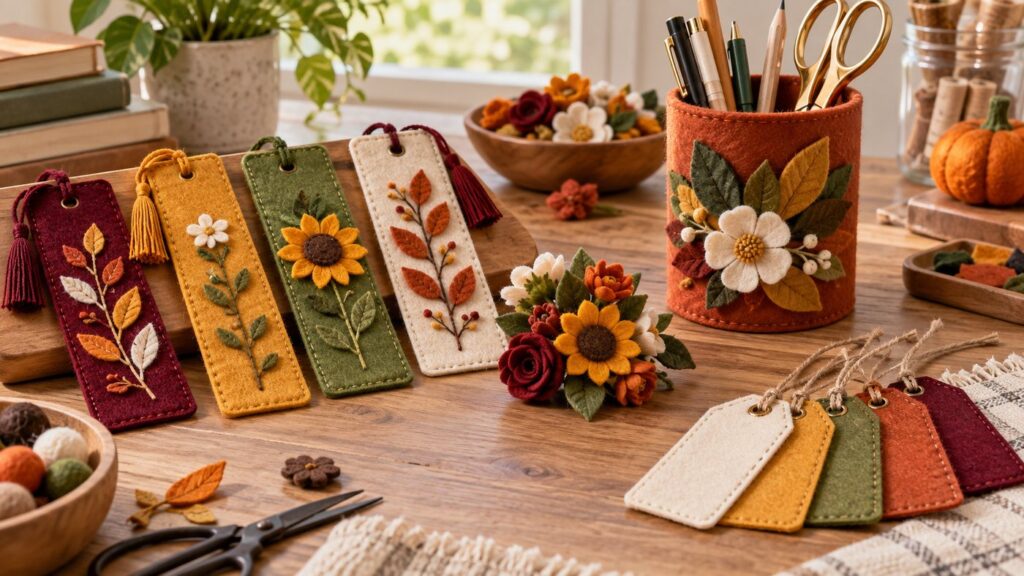
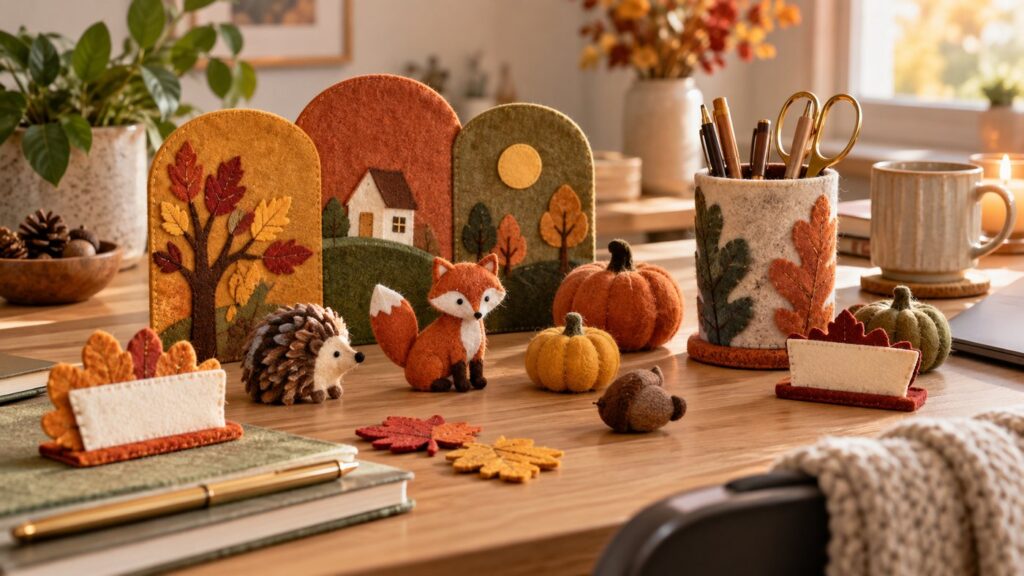
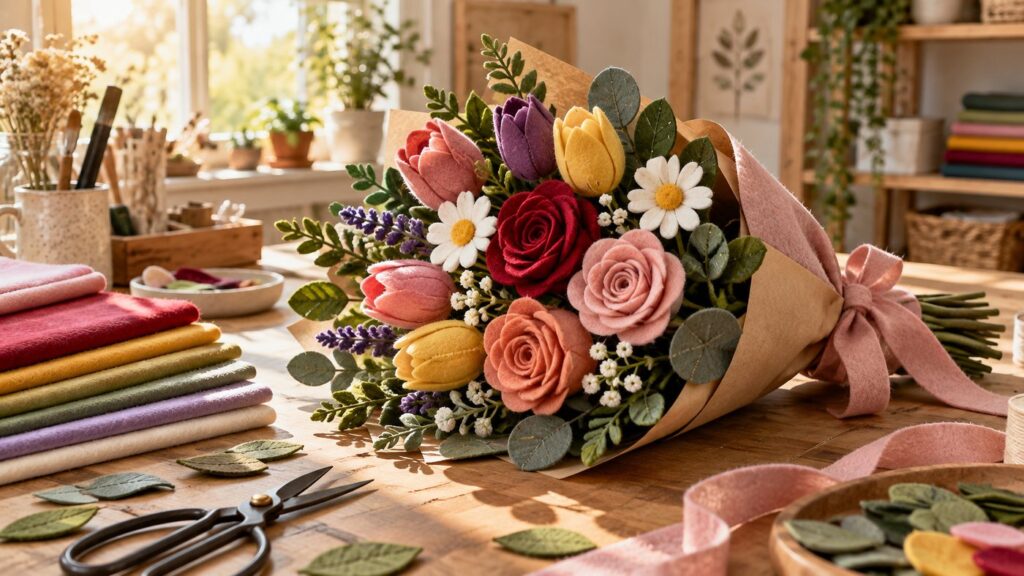
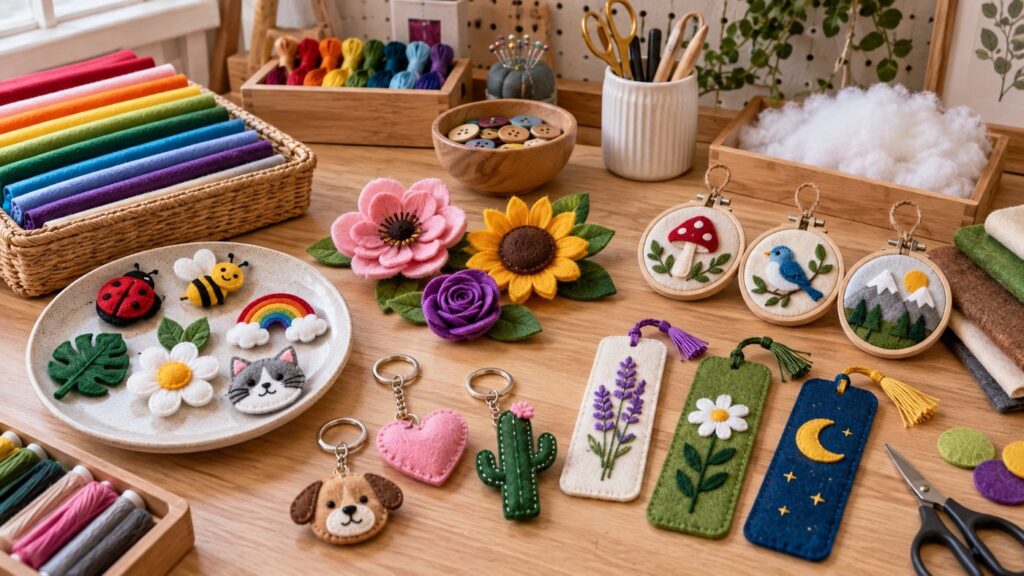
Unlike felt produced by traditional methods, this type is manufactured in factories using machines. It is a type of felt produced mainly for industrial needs. Since it is one of the lowest-cost textile products, it is frequently used by many sectors. In addition, synthetic fabric felt can be produced in different weights, colors, and thicknesses. Felts used for decorative purposes or as colorful hobby felts are also synthetic fabric felt types. Moreover, these felt types are quite environmentally friendly.

Dry (Needle) Felt

As the name suggests, dry felt is a type of felt obtained through a production technique that does not use water. In this type, wool fibers are brought together without wetting and are pierced with a needle so that the fibers interlock with each other. The tip of the needle causes the wool fibers to tangle and bind together, forming felt. Machines containing thousands of needles are used to produce dry felt. Today, people who use felt as a hobby create various felt figures using this method, known as needle felting.

Wet Felt

Unlike dry felt, wet felt is produced using wool that is moistened with warm water during the production stage. The wool soaked with warm water is subjected to a process called fulling, in which the fibers interlock and are compacted until felt is formed. Afterward, the thoroughly interlocked wool is dried to obtain felt.

As Keçe Dünyası, one of Turkey’s leading felt manufacturers, we have tried to answer the question “What are the types of felt?” in detail in this article. We hope it has been useful. For more detailed information about felt and felt types or to learn about felt prices, you can contact us.

You May Also Like

The Secrets of Modern Interior Design with Decorative Felt Panels

The Secrets of Modern Interior Design with Decorative Felt Panels

In today’s architecture, functionality is just as prominent as aesthetics. Solutions that provide both visual integrity and acoustic comfort are of great importance, particularly in interior design. At this point, decorative felt panels have become an indispensable element of modern space design. With a wide range of applications from offices to hotels, and restaurants to […]

The Most Aesthetic Way to Solve Acoustic Problems: Felt Panel Systems

The Most Aesthetic Way to Solve Acoustic Problems: Felt Panel Systems

In today’s world, modern living and working spaces are evaluated not only by their aesthetics but also by their acoustic performance. Especially open-plan offices, restaurants, hotels, and large interiors face problems such as echo, noise, and sound clutter. At this point, felt panel systems stand out as one of the most effective ways to solve […]

7 Key Points to Consider When Choosing Acoustic Felt Panels

7 Key Points to Consider When Choosing Acoustic Felt Panels

Acoustic comfort has become increasingly important in many environments today, from offices to hotels, from restaurants to living spaces. Acoustic felt panels, preferred for controlling noise, reducing echo, and creating a more efficient communication environment, offer both aesthetic and functional solutions when chosen correctly. However, the wide variety of products with different qualities and features […]

The Evolution of Felt: An Inspiring Journey from Tradition to the Future

The Evolution of Felt: An Inspiring Journey from Tradition to the Future

Throughout history, felt has held a quiet yet powerful place in human life. Extending from traditional handicrafts to modern industrial design, this unique material has evolved beyond being merely a tool and has become a leading element of creative solutions. Today, Keçe Dünyası felts bring this tradition together with the modern world, showcasing the versatility […]

Felt for Children: Both Safe and Creative

Felt for Children: Both Safe and Creative

When choosing products for children, parents’ priorities are clear: safety, durability, and fun. However, environmentally friendly and educational products have become just as important. Felt not only meets these criteria but also opens up a whole new world of creativity for children. With Keçe Dünyası felts, you can find solutions for your children that are […]

Acoustic Solutions: The Rising Role of Felt

Acoustic Solutions: The Rising Role of Felt

Noise pollution has become one of the biggest challenges in today’s living and working spaces. While people seek both aesthetic and functional acoustic solutions, felt emerges as the most innovative and natural answer. Keçe Dünyası felts perfectly combine acoustic performance with visual appeal, providing an ideal solution for modern spaces. Why Is Acoustic Performance Important? […]

Environmental Benefits of Sustainable Nonwoven and Felt Products

Environmental Benefits of Sustainable Nonwoven and Felt Products

Today, environmental sustainability is of critical importance for many industries. The textile sector is keeping pace with this trend by developing eco-friendly production techniques and materials. Nonwoven and felt products offer significant advantages in terms of sustainability, drawing attention with environmentally responsible production processes and applications. So, what are the environmental benefits of nonwoven and […]

What Are the Applications and Advantages of Nonwoven and Felt Materials?

What Are the Applications and Advantages of Nonwoven and Felt Materials?

With the advancement of technology and manufacturing techniques, the textile industry is undergoing a major transformation. One of the most notable elements of this transformation is the widespread adoption of nonwoven and felt materials. But what exactly are nonwoven and felt materials? In which application areas are they used, and what advantages do they offer? […]

WhatsApp Phone