+90 (544) 637 49 04
 bilgi@kecedünyasi.com



What Is Felt? | What Are the Properties of Felt?
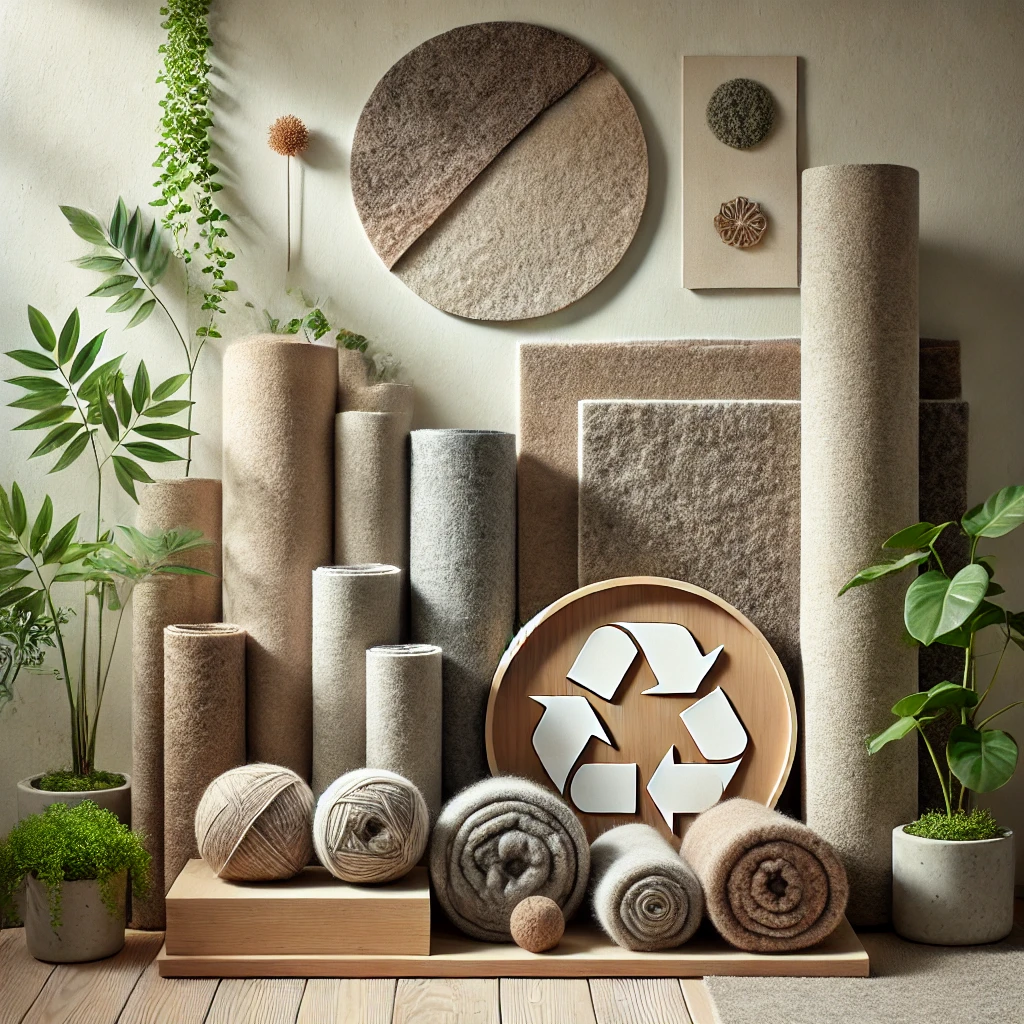
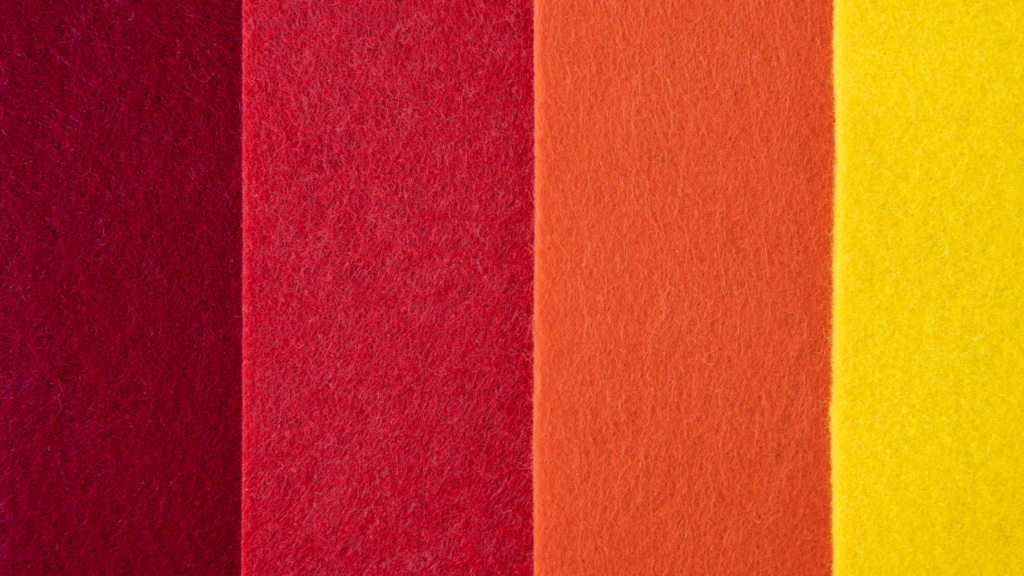
Fabrics that play an important role in human life are produced from various materials. Among the many types of fabrics used for different purposes—primarily in the textile industry—felt holds a significant place. At this point, it is natural to ask the question: What is felt? Simply put, felt is a type of fabric made from fibers. Felt is produced by processing fibers obtained from the wool of certain animals—primarily sheep—or from polyester. Unlike other fabrics produced through weaving methods, felt is manufactured by compressing fibers. This process allows the fibers to bond tightly with one another, increasing the durability of the fabric. In some cases, felt is also blended with different yarn types such as silk or acrylic to give it additional properties.
A Brief History of Felt
Another important question alongside “what is felt” is when felt first emerged. In fact, felt is one of the oldest fabrics used by humans. Various sources date the origin of felt between 5,000 and 6,500 years ago. This suggests that felt began to be used at different times in different regions or spread from one area to others through trade. However, Central Asia is generally regarded as the homeland of felt. The widespread practice of small livestock farming in this region, along with archaeological discoveries of felt carpets and materials, supports the theory of a Central Asian origin. In its early days, felt was produced by hand through compression. After the Industrial Revolution, production shifted to machinery, which led to the widespread use of felt. Mass production enabled this fabric—valued for its many applications—to be produced at lower cost and higher quality.
How Is Felt Produced Today?
Although felt production dates back thousands of years, it has evolved in line with technological advancements. In early periods, felt was produced by wetting sheep wool fibers and compressing them by hand. Today, with increased mechanization, more modern and innovative production methods are used. However, the fundamental principle remains the same: compressing fibers. First, wool fibers are placed into a cylindrical drum filled with needles, allowing the material to form a unified structure. The resulting mass is then carded until the internal gaps are evenly distributed. The material is combined in layers and compressed. During this stage, heat and moisture are applied to harden the material and improve fiber bonding. In the final stage, a rolling process eliminates remaining gaps and smooths the surface.
Types of Felt
Although felt may seem like a single material, there are actually several types:
- Wool Felt: The most commonly used type, made from sheep wool or the wool of other animals. It is also the first type of felt produced by humans.
- Fur Felt: Used mainly in hats and clothing, produced from animal fur such as beaver. Its use is limited due to concerns raised by animal rights advocates.
- Acrylic Felt: Similar to wool felt but flammable and potentially irritating to the skin. Its low production cost makes it attractive for certain applications.
- Rayon Felt: Also known as artificial silk felt. Like other synthetic fibers, it is not biodegradable.
- Pressed Felt: One of the most common types, produced by bonding wool fibers using water, steam, and pressure. Sold in flat sheets and among the earliest forms of felt.
- Needle-Punched Felt: Produced by bonding fibers with needles, mainly used in arts and crafts. Its industrial use is limited.
- Woven Felt: Produced by applying heat, water, and pressure to previously woven fabrics. Thinner than pressed felt.
What Can Be Made from Felt Fabric?
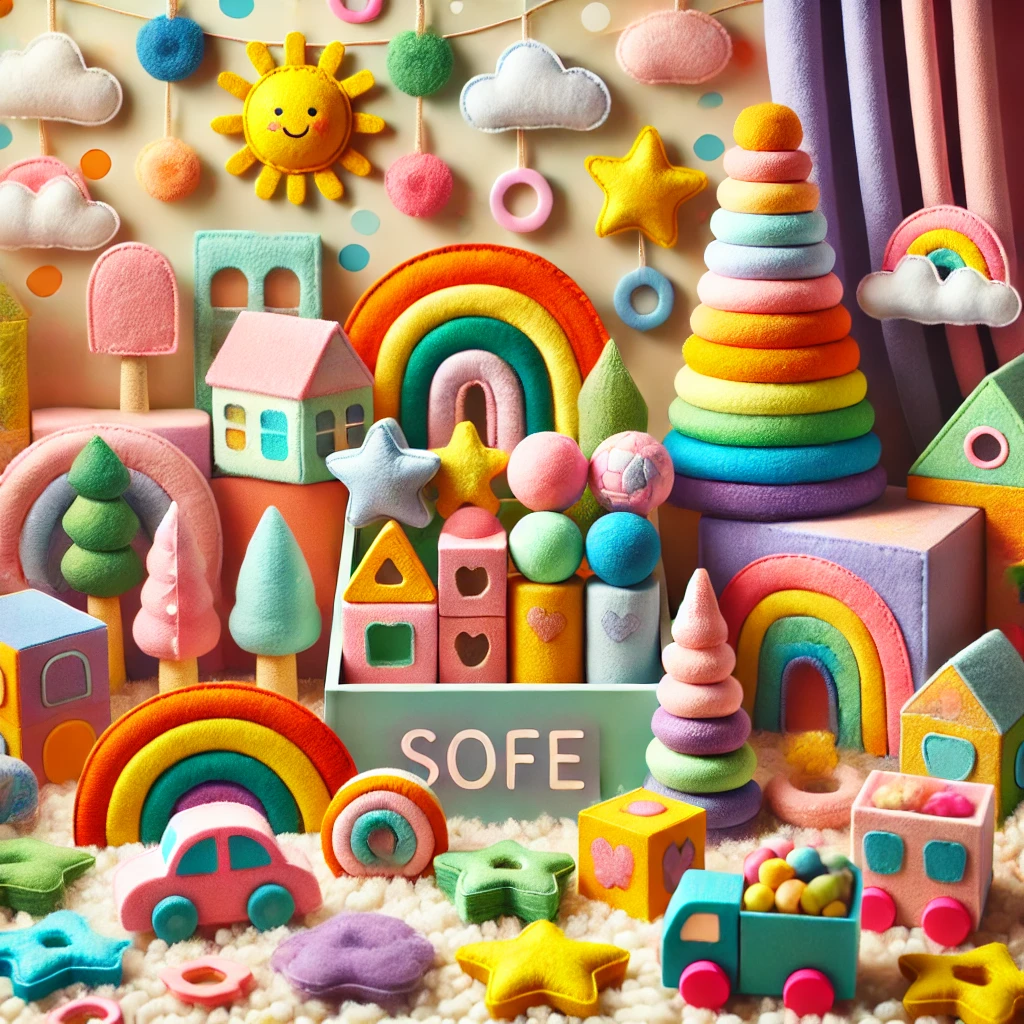
Felt has been used for various purposes throughout history. Its benefits have led to increasingly diverse applications. Today, felt is used in both textiles and industrial sectors. It is used in clothing, decorative motifs, crafts, floor coverings in electrical environments due to its insulating properties, under furniture to prevent slipping, in vehicle interiors for vibration and sound dampening, and for thermal and acoustic insulation. Many other products are also made from felt for a wide range of purposes.
Where Is Felt Used?
The range of felt applications continues to expand due to new discoveries about its properties and advancements in production techniques. Different types of felt are used for different purposes:
- Thin Felt Applications: Used mainly in textiles, shoe linings, clothing embellishments, hats, coats, and decorative crafts due to its ease of processing.
- Thick Felt Applications: Preferred in industrial sectors, especially automotive applications, floor coverings, and insulation in homes and warehouses.
- Roll Felt Applications: Not a separate type but refers to felt produced in roll form, used across industrial, textile, and decorative applications.
- Adhesive Felt Applications: Used in crafts and furniture, often applied to furniture legs to prevent slipping and protect surfaces.
- Punteriz Felt Applications: Commonly used in textiles, especially for reinforcing stitching in denim products.
What Is Felt? Frequently Asked Questions
How Is Felt Cleaned?
Felt rarely gets dirty, but when cleaning is necessary, it should be washed gently. Machine washing is not recommended. Hand washing with lukewarm water and mild detergent is preferred. Harsh chemicals and hot water should be avoided. Felt should be air-dried and never tumble-dried.
What Are the Advantages and Disadvantages of Felt?
Felt is highly durable, easy to process, antibacterial, hypoallergenic, resistant to radiation, and cost-effective. Archaeological findings of intact felt products demonstrate its longevity. However, felt may shrink over time and is less flexible than some fabrics. High-quality felt largely eliminates shrinkage issues.
Where Can Felt Be Purchased?
With the expansion of felt applications, many manufacturers and sellers have emerged. Choosing the right supplier is essential for quality and durability. Since 2010, Keçe Dünyası has been addressing industry gaps by producing and selling high-quality felt both wholesale and retail, continuously updating its technology to meet customer needs.
As the Keçe Dünyası team, we aimed to provide detailed information in response to the question “What is felt?” We hope you found it useful. For more detailed information on felt production, please visit our blog page.