+90 (544) 637 49 04
 bilgi@kecedünyasi.com



Advantages of Using Felt in Architectural Projects and Design Examples
Why Is Felt Preferred in Architectural Projects?
Felt is easy to apply in architectural projects thanks to its flexible structure and varied density options. It delivers both technical and decorative value. Combined with its sustainable nature and ease of installation, it has become a favorite for contemporary architects.
Acoustic Comfort Advantage
One of the strongest advantages of felt in architecture is acoustic regulation. Noise and echo problems are very common in open offices, restaurants, and large public spaces. Felt panels absorb sound and create more balanced, comfortable acoustic environments.
Decorative and Modern Design Opportunity
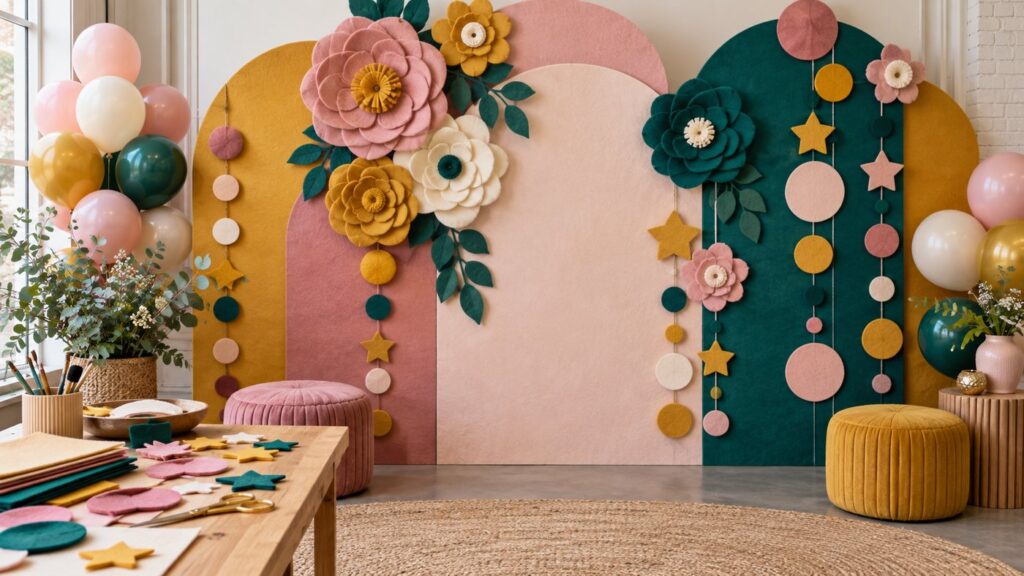
Felt is not only a technical solution but a powerful design tool. Modern architecture favors simple yet striking touches. Applied as wall panels, ceiling installations, or modular dividers, felt adds depth and movement to spaces.
Custom Patterns and Color Combinations
Through geometric cuts, custom patterns, and color combinations, fully original designs can be achieved. This enables brands and architects to express identity through interiors. Hexagonal grids, vertical lamels, and 3D reliefs are particularly popular.
Lightweight and Easy-to-Apply Structure
Materials that are easy to apply save both time and cost in architectural projects. Felt panels are lightweight and can be applied to virtually any surface without specialized scaffolding or heavy equipment. Adhesive, rail, and modular systems support quick installation.
Eco-Friendly and Sustainable Material
Sustainable architecture is gaining importance. Felt panels are often produced from recyclable materials and have low carbon footprints. This makes them suitable for LEED, BREEAM, and similar green building certifications.
Architectural Design Examples with Felt
Felt is applied in diverse ways. In offices it serves as desk-separator panels and wall absorbers. In restaurants and cafes it appears in ceiling installations and wall coverings. In hotels it adds warmth to lobbies and corridors. Schools use it for classroom walls and reading-corner partitions.
Brand and Identity Expression
Custom Pantone-matched colors and laser-cut logos allow brands to extend identity into the built environment. This is particularly powerful for retail flagship stores, corporate lobbies, and hospitality showcase spaces.
Conclusion: Perfect Balance of Function and Aesthetics
Using felt in architectural projects is a strong solution that combines aesthetics and functionality. Acoustic comfort, decorative design, lightweight application, and sustainability make it a top choice for contemporary architects and designers. Keçe Dünyası supports architectural projects end-to-end — kecedunyasi.com.