+90 (544) 637 49 04
 bilgi@kecedünyasi.com



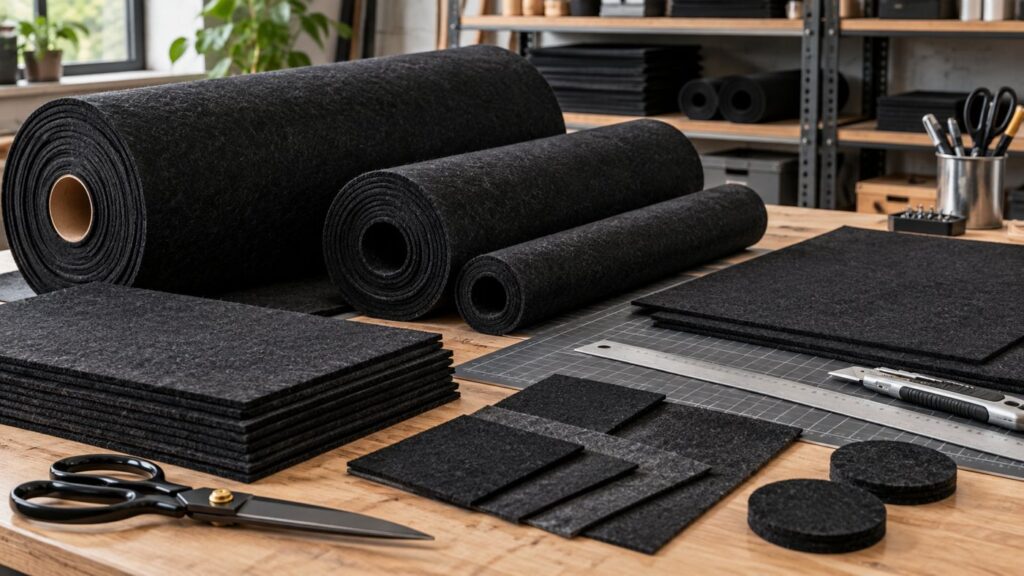
Protecting Furniture and Equipment Surfaces with Floor Protection Felt
Purpose and planning
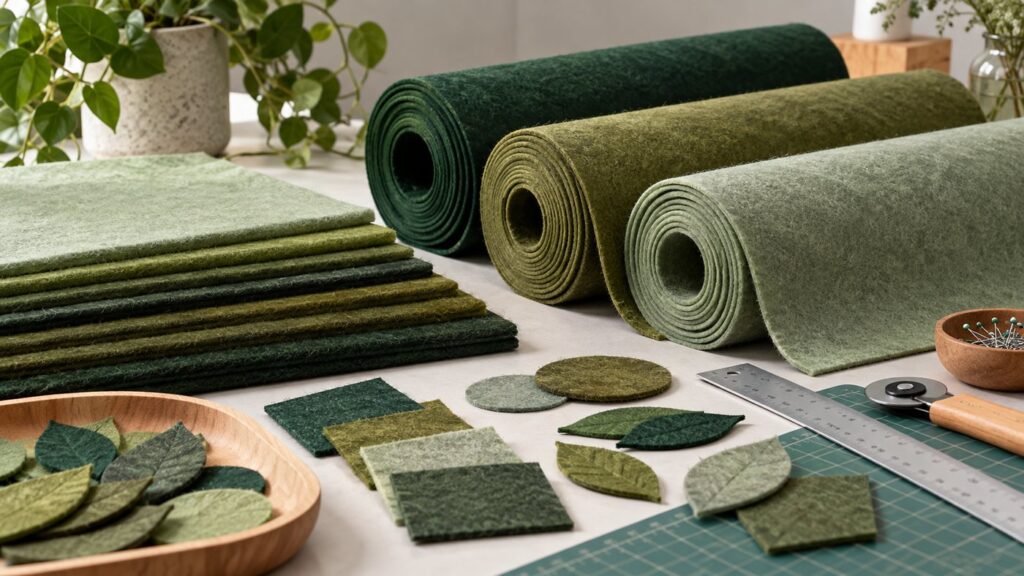
Colorful felt is a practical material for floor protection felt because it is easy to cut, soft to handle and available in many tones. A successful project starts with a clear use case. Decide whether the item will be displayed, carried, played with or given as a gift. That decision affects the thickness of the felt, the size of the pieces and the joining method. Begin with a simple shape, then add layers only when they improve recognition or function.
Color and shape
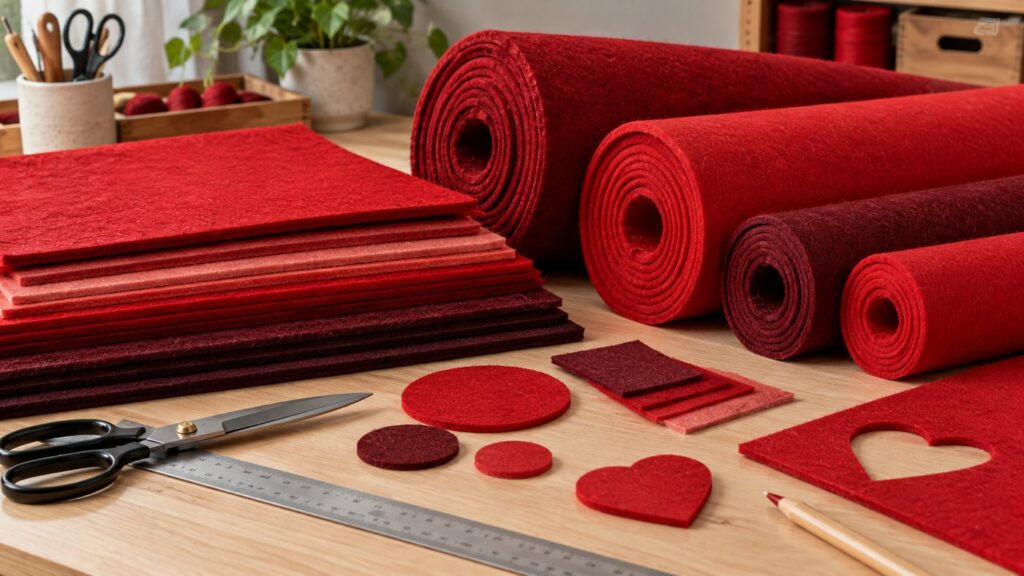
Choose two or three main colors before cutting. A restricted palette makes the finished piece easier to read and helps the handmade details look intentional. Test the colors together in daylight, because contrast that looks strong on a screen can feel weak on fabric. Use a clear outer silhouette and keep tiny details limited. This approach is especially useful when the item must be noticed quickly or used by a child.
Materials
A basic kit can include 1 to 3 mm felt, a sharp pair of scissors, matching thread, a needle, paper templates and a suitable textile adhesive. Thin felt works well for surface details, while firmer felt gives structure to flat or load-bearing parts. If the product will be handled often, choose stitching for the main seams. Adhesive is useful for light decorative layers, but it should not replace a strong seam where pulling or frequent movement is expected.
Measuring and cutting
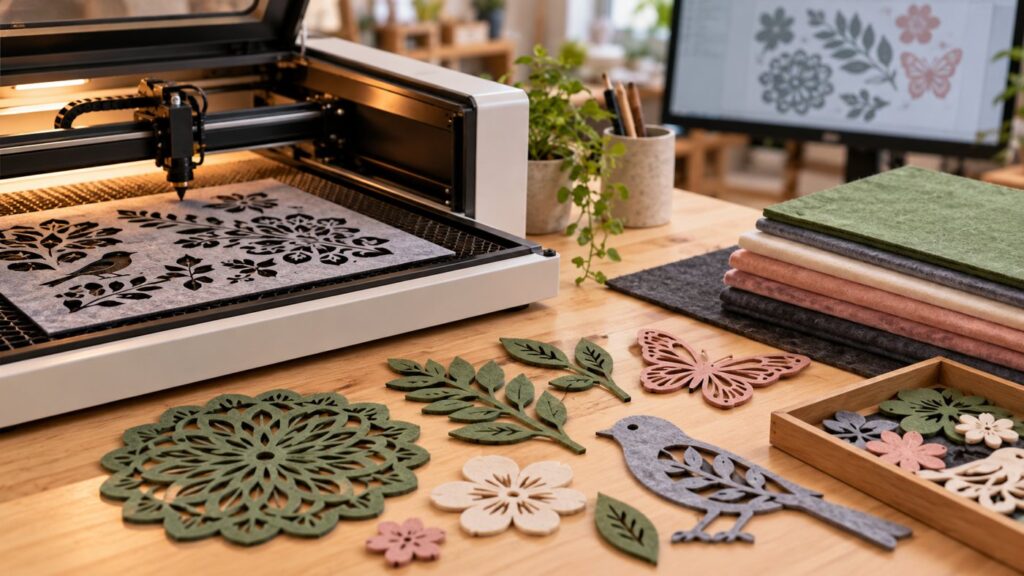
Make a paper prototype before working with felt. It reveals whether the proportions are comfortable and whether the product has enough room for its intended contents or movement. Keep repeated pieces on the same template so both sides align. A ruler helps with long straight cuts, while a small pointed scissor makes curves cleaner. Leave a modest seam allowance when the design includes filling, a lining or an edge stitch.
Assembly and safe finishing
Use even stitch spacing and check every joint before adding final decorations. Visible blanket stitching can become part of the style; matching thread creates a quieter result. Avoid hard, loose or very small accessories when the project is intended for children or animals. The final inspection should include loose thread ends, adhesive marks, rough corners and any part that could catch on clothing or another surface.
Useful content for readers
An article about floor protection felt becomes more helpful when it answers practical questions rather than repeating a single search phrase. Explain suitable felt thickness, recommended dimensions, cleaning guidance and the difference between decorative and daily-use versions. Add a short material list, a clear sequence of steps and a real use example. These details support readers who are comparing options and make the page more useful for search intent.
Care and conclusion
Clean felt gently with a soft brush or a lightly damp cloth, then dry it flat away from direct heat. Store the finished floor protection felt in a dry place so its shape and color remain stable. Start with one small design and improve the palette, personalization and finish in later versions. With a clear purpose, balanced proportions and secure assembly, colorful felt can become a distinctive and useful handmade product.