+90 (544) 637 49 04
 bilgi@kecedünyasi.com



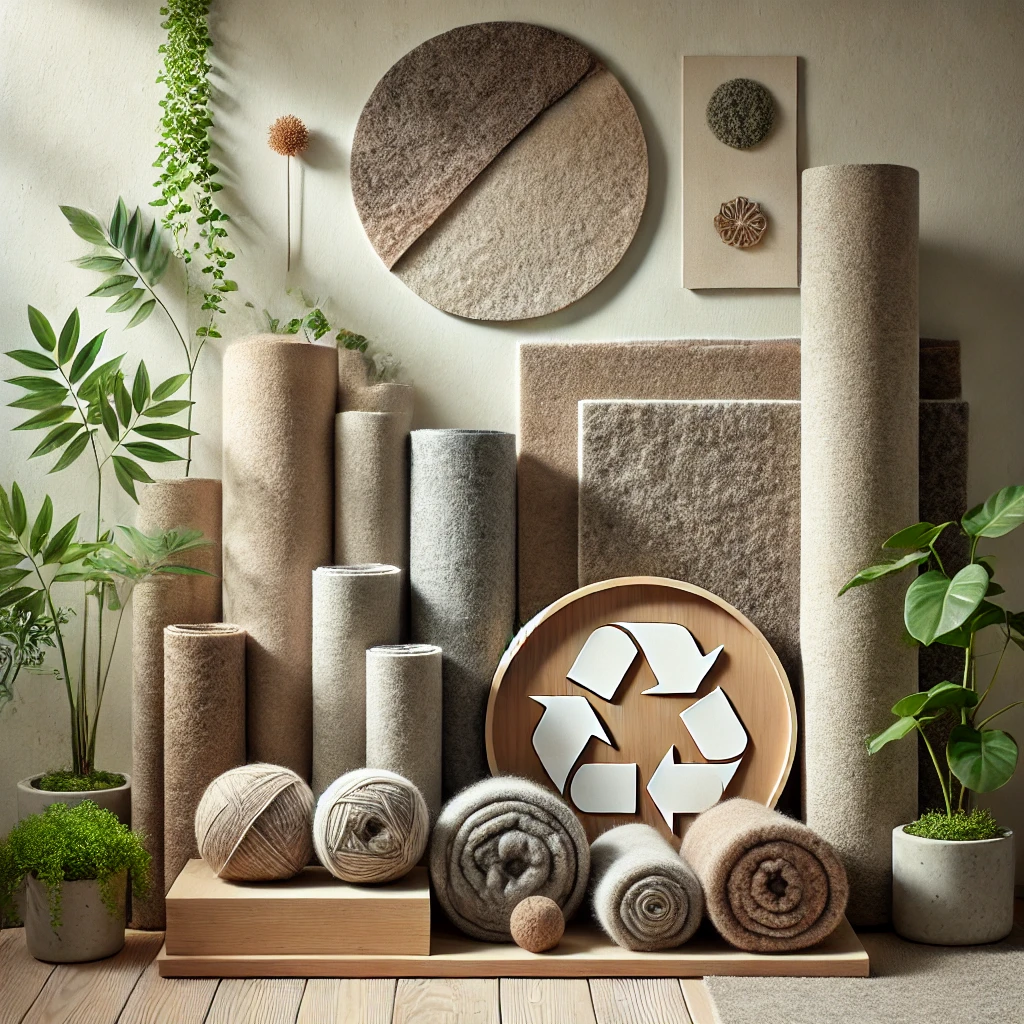
Environmental Benefits of Sustainable Nonwoven and Felt Products
Today, environmental sustainability is of critical importance for many industries. The textile sector is keeping pace with this trend by developing eco-friendly production techniques and materials. Nonwoven and felt products offer significant advantages in terms of sustainability, drawing attention with environmentally responsible production processes and applications. So, what are the environmental benefits of nonwoven and felt products? Here is the answer:
Environmental Benefits of Nonwoven Products
- Energy and Water Savings: The production process of nonwoven materials requires less energy and water compared to traditional textile manufacturing. This helps conserve natural resources and reduces the environmental impact of production processes.
- Recyclability: Nonwoven products can be made from recyclable materials. This feature reduces waste and provides opportunities for reuse, helping to prevent environmental pollution.
- Reduced Chemical Usage: The bonding methods used in nonwoven production minimize the use of chemicals. This reduces the release of harmful substances into the environment during the manufacturing process.
Environmental Benefits of Felt Products
- Synthetic and Durable: Polyester felt is made from synthetic fibers and is more durable compared to natural felt. Its long-lasting and wear-resistant structure makes polyester felt stand out. This characteristic allows polyester felt to have a wide range of applications in the textile industry.
Long-Lasting and Resilient: Felt materials are long-lasting and durable. This extends the lifespan of products, resulting in reduced consumption and waste. Long-lasting products contribute to more efficient use of resources. - Thermal and Acoustic Insulation:
Felt is naturally an excellent material for thermal and acoustic insulation. This property helps reduce energy consumption, making buildings more sustainable. Lower energy use also means a smaller carbon footprint.
Application Areas of Sustainable Nonwoven and Felt Products
- Construction and Building: Nonwoven and felt products are used as eco-friendly insulation materials in the construction and building sector. These materials enhance energy efficiency and contribute to the sustainability of buildings.
- Automotive Industry: Nonwoven and felt products used in the automotive sector provide interior sound and thermal insulation. This improves vehicle energy efficiency and reduces their environmental impact.
- Health and Hygiene: Nonwoven materials used in hygiene products and medical supplies offer eco-friendly options. Their recyclable and biodegradable properties help minimize the environmental footprint of these products.
Nonwoven ve Keçe Ürünlerin Çevresel Avantajları
- Reduced Carbon Footprint: Nonwoven and felt products, produced with lower energy and water consumption, help reduce the carbon footprint. This is an important step in combating climate change.
- Waste Management: By using recyclable and biodegradable materials, it is possible to reduce the amount of waste. This provides significant environmental benefits in terms of waste management.
- Resource Efficiency: Felt and nonwoven materials produced from natural and renewable resources ensure more efficient use of resources. This contributes to sustainable production and consumption models.
Sustainable nonwoven and felt products offer numerous advantages through environmentally responsible production processes and applications. Features such as energy and water savings, recyclability, reduced chemical use, long-lasting durability, and production from natural resources enhance the environmental benefits of these materials. Our company provides eco-friendly solutions using sustainable materials and production techniques that are conscious of both nature and human health. For a more sustainable future, you can choose our nonwoven and felt products.