 +90 (544) 637 49 04
 bilgi@kecedünyasi.com



Lightweight and durable polyester exterior insulation felt. Enhances thermal, acoustic, and moisture control. Custom sizing and high-density options available.
 WhatsApp Order
Product Images
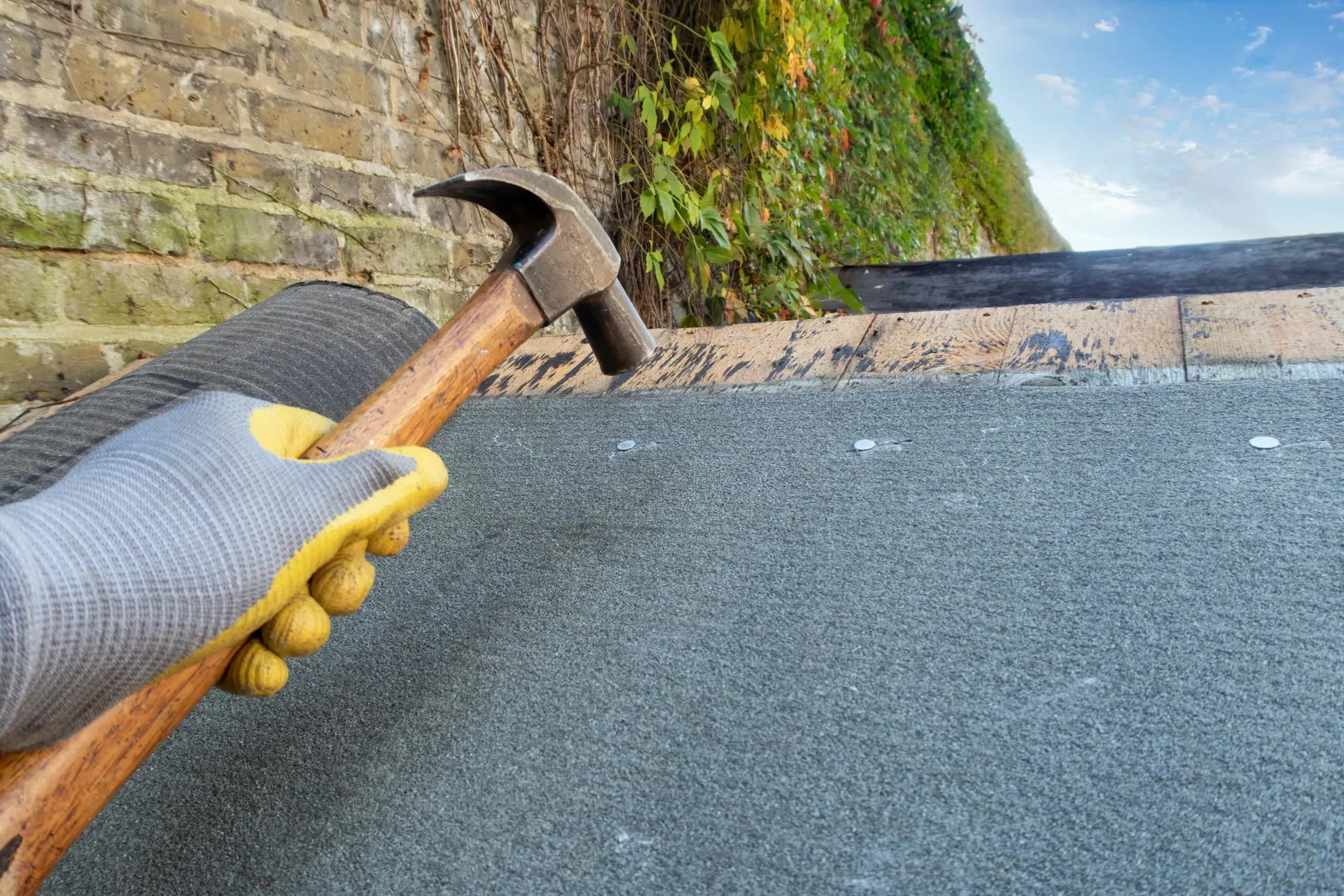
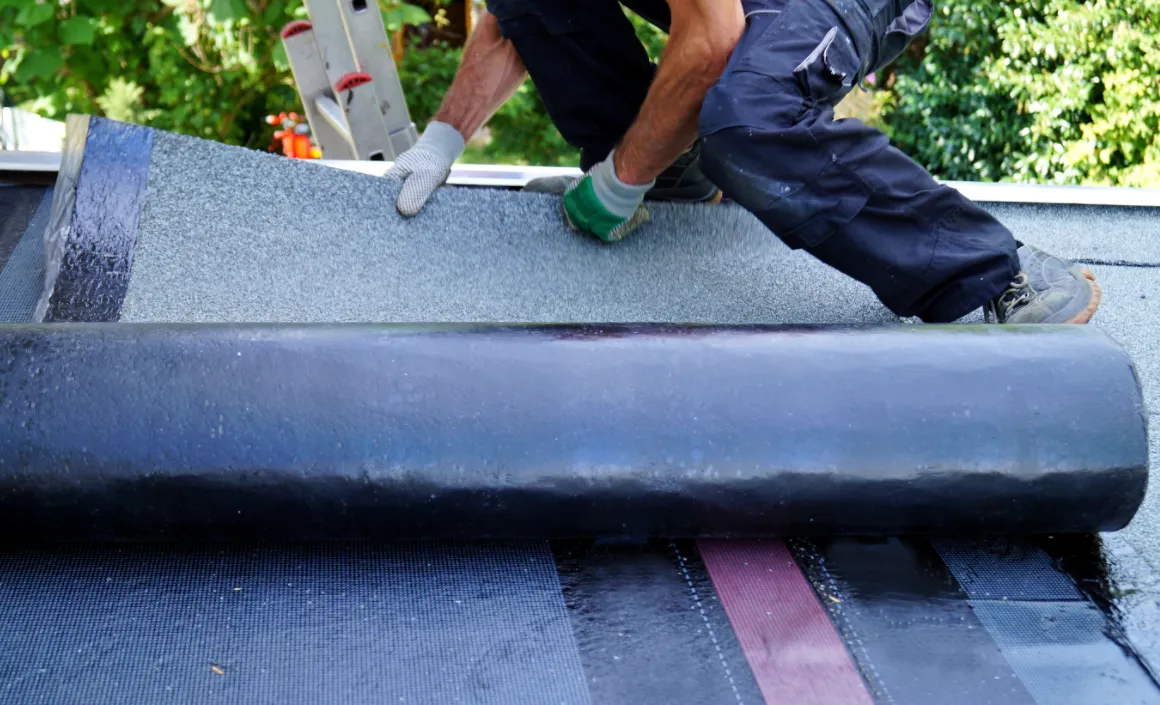
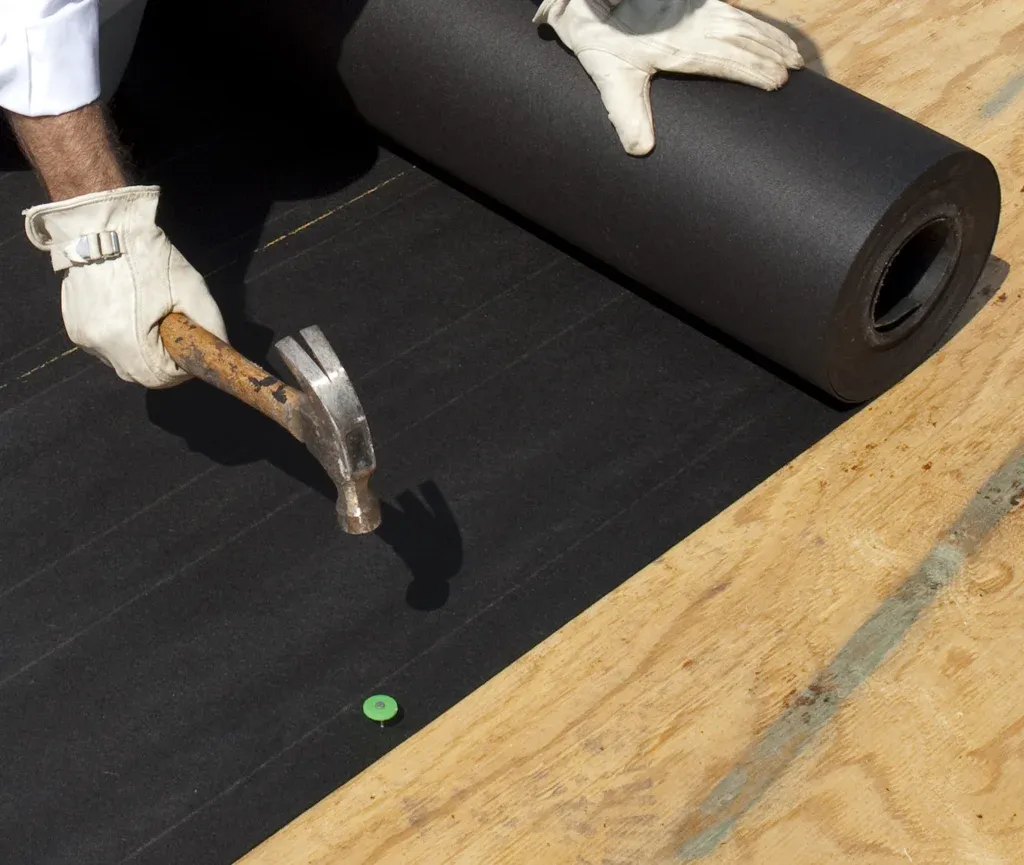
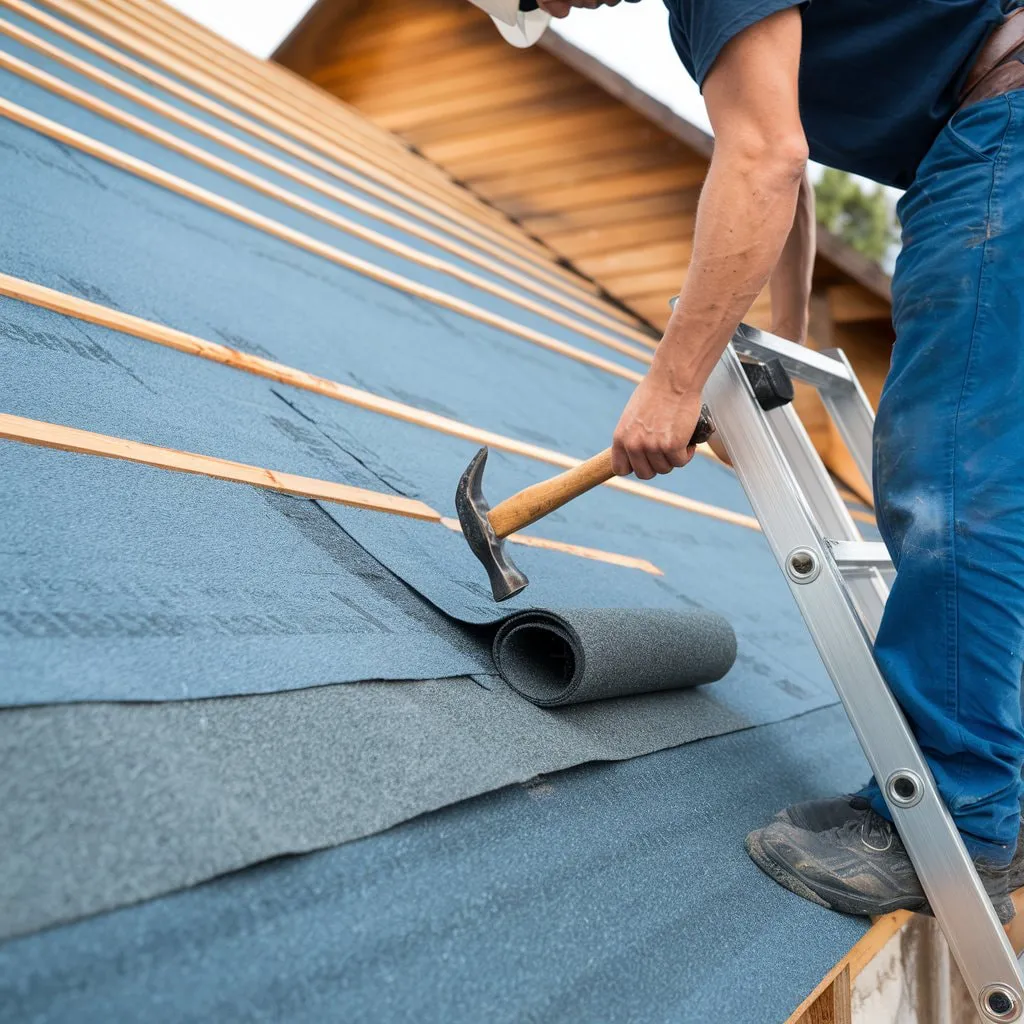
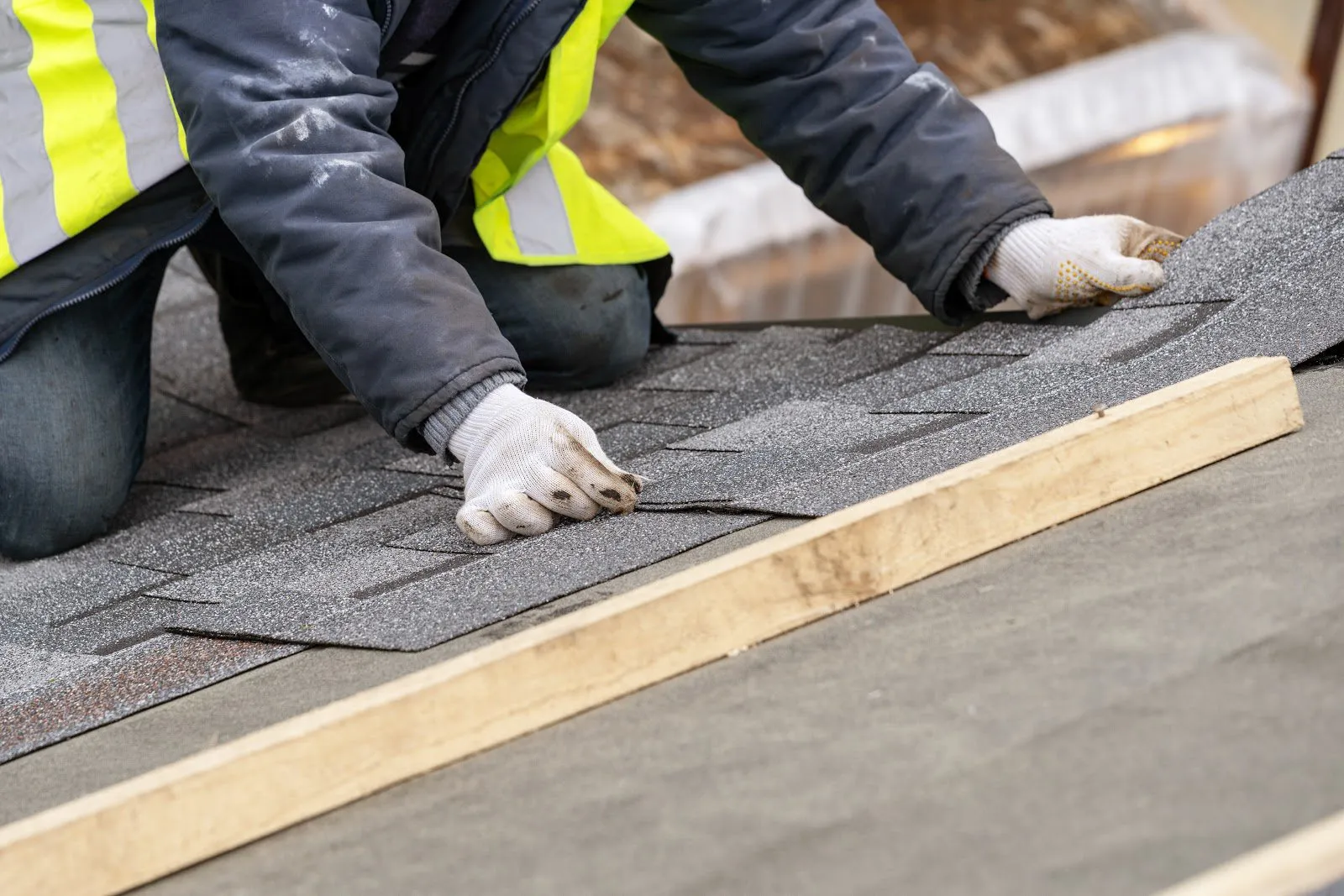
Exterior Wall Insulation Felt – Polyester Fiber Felt for Thermal, Sound, and Moisture Insulation
Exterior wall insulation felt is a specialized polyester fiber nonwoven felt designed to enhance thermal, acoustic, and moisture insulation in the exterior cladding systems of modern buildings. Thanks to its lightweight structure, it adds no significant load to the building envelope; however, its dense fiber layers significantly improve energy efficiency, reduce external noise, and help maintain moisture balance.
In today’s construction landscape, high exterior performance is expected from residential projects as well as large-scale structures like business centers, hotels, warehouses, and factories. Consequently, exterior wall insulation felt is preferred not only for its insulation values but also for additional benefits such as panel stability, vibration control, crack prevention, and shock absorption.
With a structure fully compatible with EPS, XPS, rock wool, carbon panels, and composite exterior systems, it can be easily integrated into both new constructions and renovation projects. Its breathable texture prevents internal moisture accumulation and enhances the long-term durability of the cladding system.
The product is customizable with thicknesses ranging from 3 mm to 20 mm and densities between 80–250 kg/m ³ to meet specific project requirements. Upon request, features such as flame retardancy, UV resistance, or extra durability can be added, providing professional solutions that meet the expectations of architects, contractors, and installers.
Why Choose Exterior Wall Insulation Felt?
Exterior wall insulation felt serves as a complementary insulation layer that provides energy savings, strengthens the building’s acoustic performance, and extends the life of the exterior cladding system.
Key advantages of the product:
- Despite its lightweight structure, it offers high impact resistance.
- It minimizes energy losses by reducing thermal bridges.
- It significantly reduces external noise and wind-induced vibrations.
- It supports moisture and vapor balance with its breathable texture.
- It is seamlessly compatible with EPS, XPS, carbon panel and rock wool systems.
- Thickness, density and dimensions are produced specifically for the project.
- It maintains its shape for a long time and is resistant to deformation.
Exterior Wall Insulation Felt Technical Specifications
| Feature | Description |
| Material | Polyester fiber nonwoven felt |
| Application Areas | Exterior thermal insulation, soundproofing, under-panel support |
| Thickness Options | 3 mm – 5 mm – 10 mm – 15 mm – 20 mm (Custom production available) |
| Density | 80 – 150 – 200 – 250 kg/m ³ |
| Thermal Insulation | Reduces heat transfer and minimizes thermal bridges |
| Sound Insulation | Attenuates external noise and vibrations |
| Moisture Control | Assists in maintaining vapor balance |
| Compatible Systems | EPS, XPS, rock wool, carbon panels, composite cladding systems |
| Durability | High resistance to impact and deformation |
| Flame Retardant Option | Available upon request |
| Production Site | Istanbul – Fast shipping throughout Turkey |
Application Areas of Exterior Wall Insulation Felt
Thanks to its versatile nature, exterior wall insulation felt can be used across various sectors and building types.
Main areas of use:
- Thermal and acoustic insulation support for residential facades.
- Exterior panel applications for commercial buildings.
- Anti-vibration structural layer for factories and storage facilities.
- Impact-resistant support layer under composite panels.
- Thermal support material in renovation and retrofitting projects.
- Vapor-balancing interlayer in regions with high humidity.
- Protective extra layer for exterior coatings requiring UV resistance.
How to Use Exterior Wall Insulation Felt?
- Preparation: The felt is cut to the desired dimensions according to the facade panel to be applied.
- Placement: It is placed smoothly onto the surface; adhesives or mechanical fasteners can be used as support if necessary.
- Fixing: Once the panel or cladding material is secured over it, the felt becomes invisible.
- Performance: It provides a continuous contribution to thermal, acoustic, and moisture performance throughout the building’s lifespan.
For industrial projects, using the product in roll form accelerates application and reduces material waste.
Frequently Asked Questions
Production is based in Istanbul, and we provide secure, fast, and cost-effective shipping to every province in Turkey. Orders can be placed on a wholesale or project-specific basis.
Pricing varies based on thickness, density, total quantity (in meters), custom production requests, and order volume. Special pricing is available for bulk purchases.
Yes. We offer fully project-based production with thicknesses ranging from 3 mm to 20 mm, densities from 80 to 250 kg/m ³, and customizable width options to meet your exact requirements.
The felt is not an alternative to these products but rather a complement. It enhances the performance of insulation panels, provides vibration control, and extends the overall lifespan of the system.
It fills the gaps beneath panels, reduces thermal bridges, and prevents noise transfer. Additionally, it provides extra stability and superior impact resistance to the cladding system.
Yes. To effectively reduce noise from wind, traffic, and the external environment, high-density felt options are particularly recommended.
The breathable polyester fiber structure is generally sufficient for moisture management; however, for extremely humid regions, an option with an integrated moisture barrier is recommended.
Yes. Thanks to its vibration and shock absorption properties, it significantly reduces the risk of micro-cracks that may occur on the panels over time.
SIMILAR PRODUCTS
Floor Protection Felt
Protect your floors completely from impacts and liquids during renovation, painting, and construction work with Felt World’s superior floor protection felt. Waterproof PE film, easy application.

Sound Insulation Felt
Professionally reduce echoes and intrusive noise with Keçe Dünyası’s high-performance sound insulation felt. A customizable, durable, and eco-friendly acoustic solution for walls, ceilings, and floors.

Underlay Felt
Minimize footstep noise and vibration with Keçe Dünyası under-parquet felt. Save energy by providing under-floor thermal insulation. Durable, eco-friendly, and easy to install.
PET Insulation Felt
Make your buildings warm, quiet, and comfortable with PET insulation felt! Lightweight, durable, and eco-friendly.

