+90 (544) 637 49 04
 bilgi@kecedünyasi.com



Recycling and Reuse of Felt Products
Sustainable living and environmental awareness have become more important than ever in today’s world. This growing awareness has increased interest in re-evaluating and recycling the materials we use in our daily lives. Felt, a material widely preferred thanks to its flexibility and durability,️, plays an important role in many fields, and the recycling and reuse of felt products are of great significance in terms of sustainability. In this blog post, we will discuss how felt products can be effectively recycled and how they can be reused in creative ways. In doing so, you will not only contribute to environmental protection but also have the opportunity to discover the creative potential of felt material.
What Is Felt and Why Should It Be Recycled?
Felt is a type of fabric that has been used since ancient times, created by bonding natural or synthetic fibers together through heat, moisture, and pressure. Known for its soft texture, flexibility, and durability, felt has a wide range of applications—from clothing and home decoration to toys and artistic works. However, this broad usage also brings important responsibilities in terms of sustainability and environmental protection. The recycling and reuse of felt products are among the foremost of these responsibilities and play a critical role in reducing environmental impact.
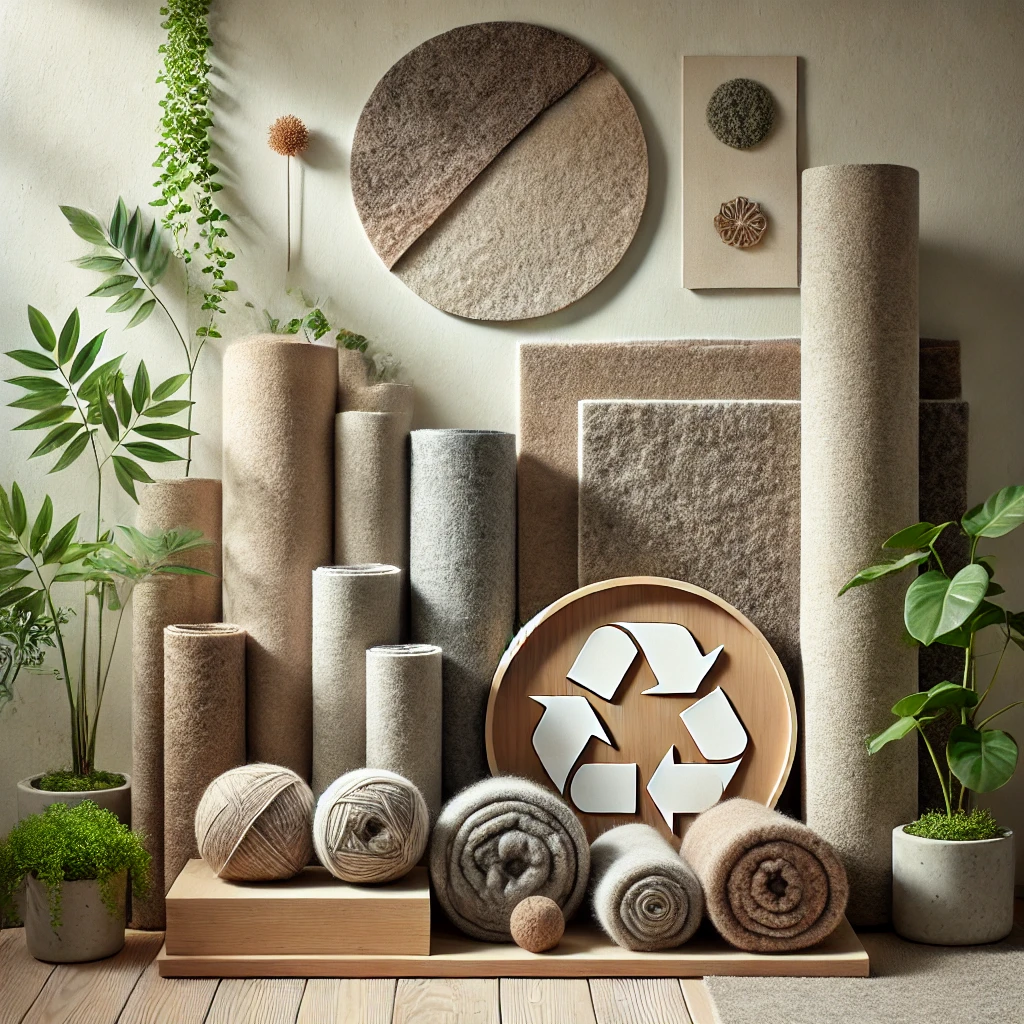
Its recyclability makes felt stand out as an environmentally friendly material. Recycling felt products helps prevent them from occupying space in landfills and contributes to the conservation of natural resources. Natural felt, in particular, is biodegradable and can return to the soil without harming the environment. Moreover, when felt products that have reached the end of their life cycle are creatively repurposed, both waste can be reduced and new, functional products can be brought to life.
The reuse of felt products not only provides environmental benefits but also encourages creativity and innovation. Old felt garments, accessories, or home décor items can be transformed into new forms through creative ideas. This process allows individuals to create unique products tailored to their needs while also supporting a zero-waste lifestyle.
Recycling and reusing felt products are essential for supporting environmental sustainability and making the most of felt’s unique and flexible structure. This approach makes a valuable contribution to efforts to reduce waste and protect natural resources, while also taking the artistic and practical use of felt to new dimensions.
The Recycling Process of Felt Products
The recycling process of felt products contributes to environmental sustainability while also offering the potential to transform waste into valuable resources. This process involves reprocessing used or no-longer-needed felt materials so they can be used in the production of new products. Recycling is critically important for conserving resources, reducing waste volumes, and minimizing environmental impact.
The recycling of felt products generally includes the stages of collection, sorting, cleaning, and reprocessing. First, used felt products are collected at recycling centers. This stage ensures proper separation of materials and effective management of the recycling process. The collected felt products are then sorted by type; natural and synthetic felt materials are processed separately, as their recycling methods may differ.
The cleaning stage is essential to prepare felt materials for reuse. During this phase, dirt, stains, and other contaminants on the felt surface are removed. Once cleaned, the felt becomes ready for further processing. Reprocessed felt can then be used in various ways to manufacture new products. For example, felt pieces may be repurposed for new textile products, artistic works, or home décor items.
The recycling of felt products also encourages creativity. Old felt garments or accessories can be redesigned using sewing, cutting, and assembly techniques. This process offers both individual consumers and artists, designers, and craftspeople the opportunity to re-evaluate felt and create innovative products.
Recycling felt products plays an important role in reducing environmental impact and promoting sustainable resource use. By lowering waste volumes and enabling the reuse of valuable materials, this process helps ease pressure on the environment. Recycling felt products is a meaningful step for anyone seeking to adopt a sustainable lifestyle.
Ways to Reuse Felt Products at Home
Exploring ways to reuse felt products at home is a great opportunity to embrace a sustainable lifestyle while showcasing your creativity. Thanks to its flexible and durable nature, felt allows you to repurpose worn-out or unused items into many new and functional objects. Here are some creative ideas you can try at home to recycle and reuse felt products:
Decorative Ornaments: Shapes cut from old felt clothing or fabric scraps make excellent materials for home décor. By using colorful felt pieces, you can create seasonal decorations, table ornaments, or wall hangings.
Reusable Bags and Wallets: Old felt bags or larger felt pieces can be transformed into small wallets, pencil cases, or shopping bags. These items are both practical for everyday use and environmentally friendly.
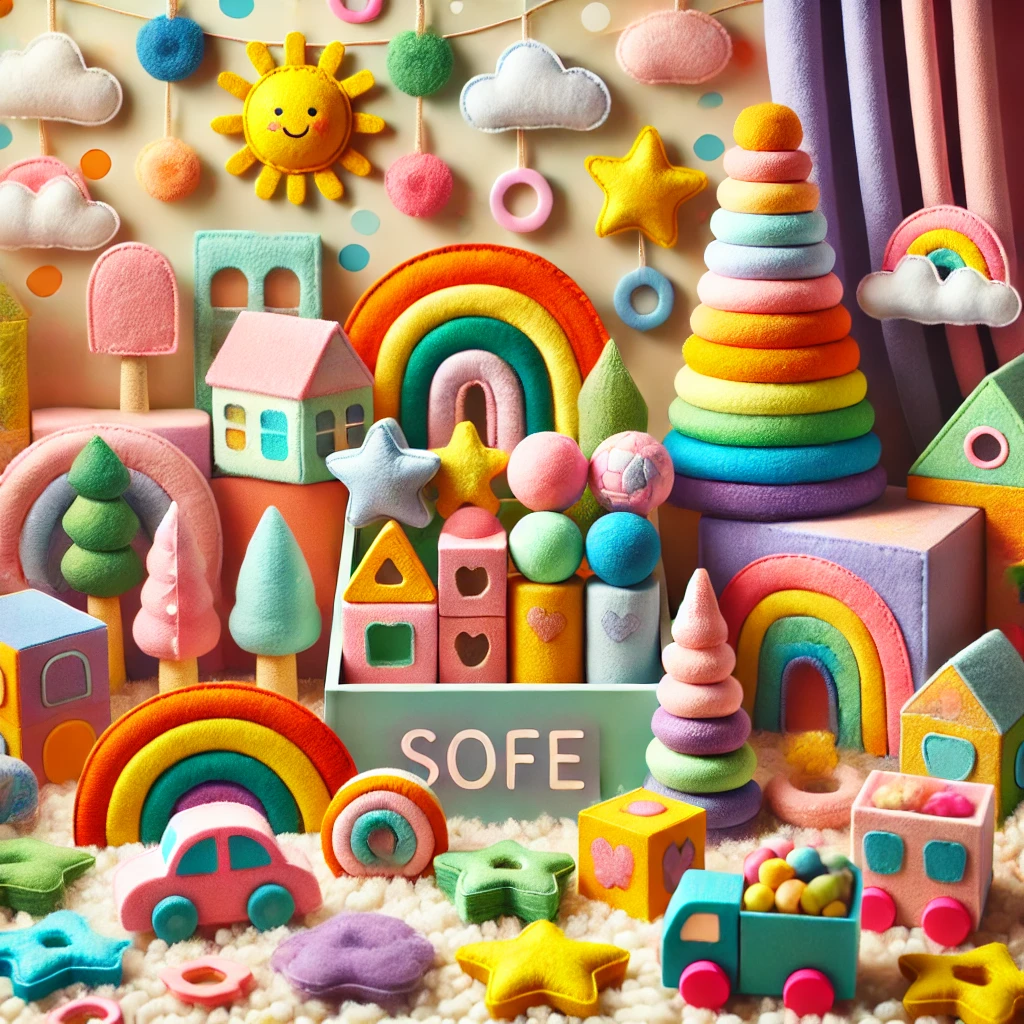
Toys and Plush Figures: You can encourage children’s creativity by making felt toys at home. Old felt fabrics are perfect for creating plush animals, puppets, or educational toys.
Household Items and Accessories: Old felt products can be turned into household items such as heat-insulating coasters, pot holders, or cushion covers. These small touches add warmth and a personal feel to your home.
Plant and Flower Pot Covers: Using felt to cover plant pots gives your plants a colorful and decorative appearance. Felt also helps regulate moisture while serving as a stylish outer cover.
Jewelry and Fashion Accessories: You can add your own creativity to fashion by making felt earrings, necklaces, or bracelets. Colorful pieces cut from old felt items allow you to create unique and eye-catching accessories.
Office and Desk Organizers: Felt is a great material for organizing your desk with pencil holders, note organizers, or storage containers. It can also be used as an outer covering for boxes designed to keep office supplies tidy.
Discovering ways to reuse felt products at home is an enjoyable way to contribute to the environment while expressing your personal creativity. Recycling and reusing felt supports a sustainable consumption model and offers a unique way to personalize your living space and bring innovative solutions into everyday life.
Repairing and Refurbishing Felt Toys
Repairing and refurbishing felt toys is a wonderful way to preserve your loved ones’ cherished toys and give them a new life. It is also an important step in the recycling and reuse of felt products. This process not only helps protect the environment but also teaches children the value of caring for their belongings. Here are some suggestions for repairing and renewing felt toys:
Over time, it is inevitable that felt toys will wear out or become damaged. However, instead of throwing them away, it is possible to make them usable for many more years by repairing and refreshing them. This process may include carefully stitching torn areas, reviving faded colors, and replacing missing parts.
Before starting the repair, gently clean the surface of the felt toys. This helps ensure that sewing or bonding processes are more effective. If there are tears or loose seams, carefully stitch these areas using color-matched threads. Using a fine stitching technique helps make the repaired areas less noticeable.
The colors of toys may fade over time. In such cases, you can revive their original appearance by using suitable dyes or paints designed for felt. When doing so, be sure to choose non-toxic paints that are safe for children’s health.
If some felt parts of the toy are missing or severely damaged, you can refresh the toy by adding new felt pieces of similar color and quality. This also allows you to add a personal touch to the toy.
Adding new accessories or decorative elements is a great way to renew felt toys and capture children’s interest again. Accessories such as a new hat, scarf, or glasses can give toys a fresh and playful look.
Repairing and refurbishing toys can also be a fun activity to do together with children. This process helps teach them the importance of recycling while also developing their creativity and fine motor skills.
Repairing and renewing felt toys encourages a sustainable lifestyle and contributes to the recycling and reuse of felt products. It preserves the value of toys made with care and can turn them into meaningful keepsakes for future generations.
Useful Tips and Techniques for Recycling Felt Products
Recycling felt products is very important for protecting the environment and reducing waste. At the same time, it allows you to express your creativity. Here are some useful tips and techniques related to recycling felt products:
Evaluating Felt Products: Before starting the recycling process, carefully evaluate your felt items. Determine which products can be repaired, which can be reused, and which should be recycled. This assessment ensures that materials are used in the most efficient way.
Creative Thinking: One of the key factors in recycling felt products is creativity. Get inspired to use old felt fabrics or garments in new projects. Platforms such as Pinterest, Instagram, and YouTube are excellent sources for ideas.
Cutting and Sewing Techniques: Having basic cutting and sewing skills is important when recycling felt products. Clean cuts and strong stitches improve the quality and durability of newly created items.
Color and Pattern Harmony: When combining recycled felt pieces, pay attention to color and pattern harmony. Ensuring visual balance when joining different parts guarantees an aesthetically pleasing final product.
Making Use of Small Pieces: Do not overlook small felt scraps during recycling. These small pieces can be used in projects such as jewelry making, decorative ornaments, or patches.
Reuse Ideas: There are many ways to reuse old felt products. For example, an old felt sweater can be transformed into a stylish cushion cover, or felt bags can be redesigned for decorative purposes.
Environmentally Friendly Adhesives and Paints: When recycling felt products, try to use eco-friendly adhesives and paints. These products protect your health and contribute to environmental preservation.
Conscious Consumption: Recycling felt products is part of conscious consumption habits. When purchasing new felt items, choose high-quality and long-lasting products to help reduce future waste.
These tips and techniques for recycling felt products will help you both reduce your environmental impact and develop creative projects using felt materials. Recycling is an essential part of a sustainable lifestyle and an area where everyone can contribute.
For environmentally friendly felt products, Keçe Dünyası is with you.
You can also read this article for intelligence-developing activities made with felt: Felt-Based Intelligence-Enhancing Activities for Children