+90 (544) 637 49 04
 bilgi@kecedünyasi.com



Simple Felt Toy Designs: The Warm Touch of Handmade Happiness
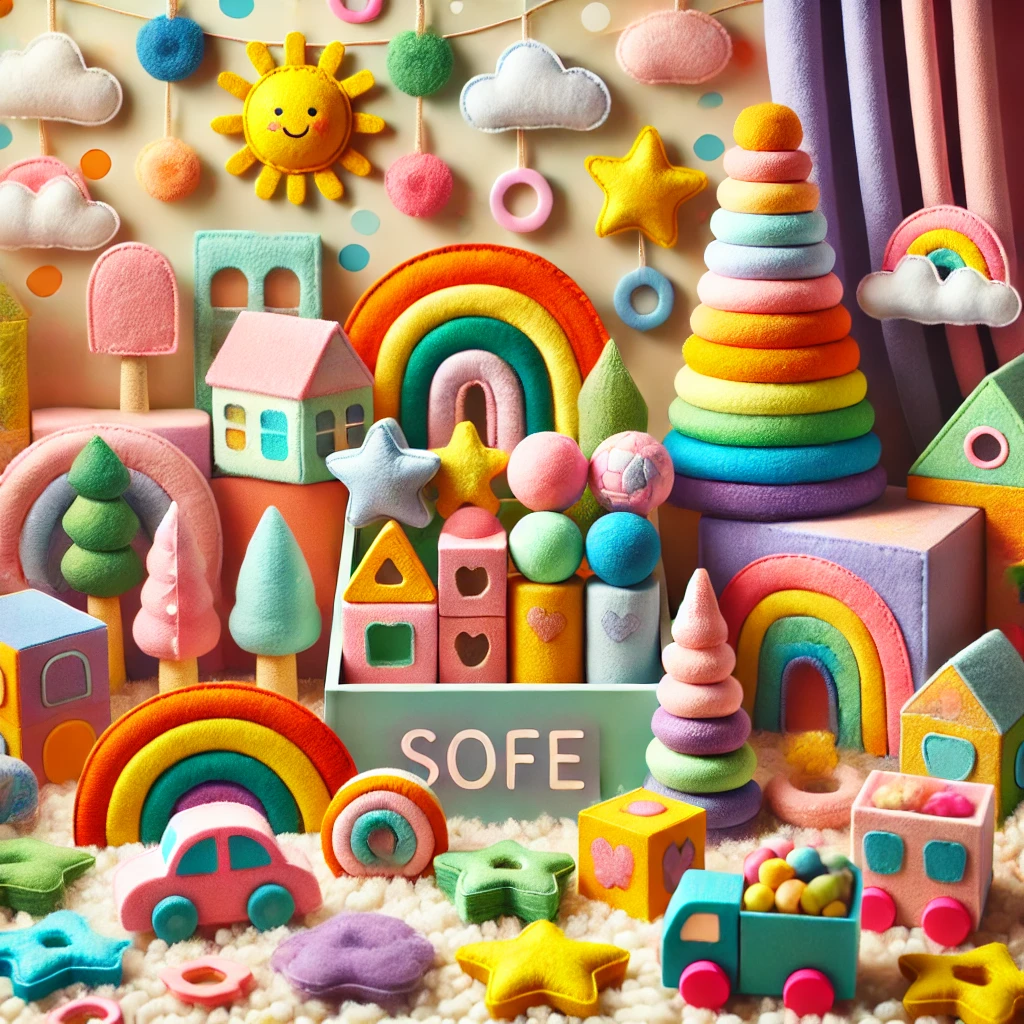
Handmade felt toys bring a warm touch to the worlds of both children and adults with their soft textures and vibrant colors. These special toys gain value not only through their charming appearance and eye-catching hues, but also through the stories and craftsmanship behind each piece. In our blog post titled “Simple Felt Toy Designs: The Warm Touch of Handmade Happiness,” we explore how this unique form of handicraft goes beyond being just a hobby and becomes a heartfelt source of joy. As you step into the world of felt toys, you will feel the sincerity and warmth of handmade creations and rediscover the meaningful place these small yet powerful touches of happiness hold in our lives.
The Soft Touch of Felt
The soft touch of felt tells the story of how a timeless craft continues to warm hearts in the modern world. Felt toys come to life through creative, hands-on work with simple materials. They carry the magical transformation of felt—born from wool combined with water, soap, and warmth. Each felt toy is a reflection of its maker’s imagination, patience, and love. While they expand children’s imaginative worlds, they also remind adults of the beauty of simplicity and innocence.
The process of making felt toys requires creativity and care. From selecting colors to shaping the forms, every step defines the character of the toy. This process allows the creator to weave emotions and stories into the wool, turning it into a work of art. That is why felt toys are not merely colorful decorations for children’s rooms, but meaningful representations of handcrafted dedication and care.
Handmade felt toys have become even more valuable today as sustainability and eco-friendly products gain importance. Unlike synthetic materials, felt toys made from natural wool can be produced without harming the environment. They are also hypoallergenic and offer a safe option for children.
From the moment they are created, these toys begin a journey filled with love and care. From the crafting stage to being embraced by a child, felt toys can become lifelong companions rather than simple playthings. They are unique gifts that gain value over time and carry special memories and stories that can be passed down from generation to generation.
Making felt toys has also become a therapeutic hobby for many people. The creative process reduces stress, improves focus, and encourages creativity. These toys bring happiness not only to those who receive them, but also to those who create them.
The soft touch of felt is proof of how a simple material can be transformed through limitless creativity and love. Felt toys remind us of the value of simplicity, naturalness, and the human touch in a modern world. They go beyond being mere toys—they are works of art where creativity, love, and sustainability come together.
Fundamentals of Making Felt Toys
Felt toy making is a hobby that brings together creativity and handcraft skills and can be enjoyed by people of all ages. This art form allows you to create colorful and charming toys by using the soft and flexible nature of felt, pushing the boundaries of your imagination. The fundamentals of felt toy making begin with simple techniques and materials and can gradually evolve into more complex and detailed designs. Whether you are holding a needle for the first time or are an experienced craft enthusiast, the basic steps of making felt toys invite you into this colorful world.
First, it is important to become familiar with felt fabric, the main material used in felt toy making. Felt is produced by compressing wool or synthetic fibers using heat, moisture, and pressure. As a result, a soft, durable, and easy-to-shape fabric is obtained. Felt’s availability in various colors and thicknesses offers a wide palette that allows you to freely express your creativity.
When starting felt toy making, the first step is deciding on your design. This could be an animal figure, a flower, a character, or a completely original creation from your imagination. Once your design is chosen, you will need to prepare the necessary felt colors and other materials such as thread, stuffing material, and needles. Drawing your design on paper helps you create a template that will guide you during the cutting and sewing stages.
Before moving on to cutting, use your design template to cut the felt pieces into the correct size and shape. Careful cutting ensures a clean and professional-looking result. After the cutting process is complete, you can begin assembling the pieces and shaping them through sewing. Felt toy making usually involves simple stitching techniques, so even beginners can quickly learn the basics.
As your toy figure begins to take shape, you can add details using embroidery techniques with needle and thread. Details such as eyes, noses, and mouths not only give character to your toys but also make them look more lively and adorable. Finally, fill your toy with stuffing material to give it its final form. Proper stuffing ensures that your toys have a soft yet firm structure.
Felt toy making is a process that requires patience and practice, but the final product becomes a rewarding source of happiness that makes the effort worthwhile. Along this journey, you will discover that what starts as a simple hobby can gradually turn into a meaningful way to express your creativity and develop your handcraft skills.
Simple Felt Toy Designs
Simple felt toy designs offer a perfect starting point for both beginners and experienced craft lovers. These designs usually require only a small number of materials and involve basic sewing techniques, making them easy projects that anyone can try. Below are a few simple design ideas to inspire you as you start working with felt:
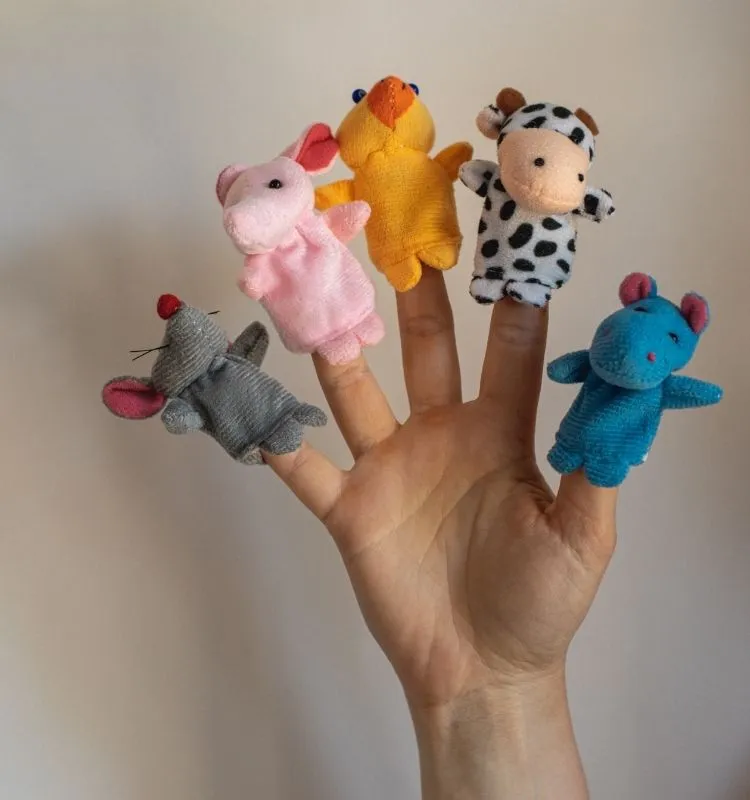
Animal Figures: Making small felt animals is an excellent beginner project. Animals that require simple shapes and minimal details—such as birds, fish, or cats—are easy options for newcomers. These projects are a great way to learn about colors and basic stitching.
Flowers and Plants: Creating felt flowers or small plants allows you to achieve simple yet impressive results. Whether realistic or imaginative, felt flowers can be used in home décor or given as gifts. With basic layering and joining techniques, you can create a striking felt bouquet.
Keychains and Ornaments: Small felt keychains or ornaments are ideal for personal use or as handmade gifts. These projects usually involve cutting a few simple shapes and applying basic stitching. You can start with easy designs like hearts, stars, or small animal figures.
Mini Fruit and Vegetable Toys: Making felt fruit and vegetable mini toys for play kitchens is a fun and educational way to create toys for children. Using simple shapes to represent familiar fruits and vegetables will capture children’s attention and inspire creative play.
Seasonal Decorations: Seasonal felt decorations are especially popular during holidays. For example, you can make snowflakes or Christmas trees for winter holidays, or small witches and pumpkins for Halloween. These projects add a personal touch to seasonal décor while helping you improve your felt-working skills.
When working on simple felt toy designs, the basic materials you’ll need include colorful felt sheets, sewing thread, stuffing material, sharp scissors, and sewing needles. These projects are an excellent way to learn the fundamentals of working with felt, develop sewing techniques, and express your creativity. As you complete each project, you’ll gain the skills and confidence needed to move on to more complex designs.
Fun Felt Projects: Step-by-Step Making
Felt toy making, one of the most enjoyable felt projects, is not just a hobby for craft lovers but also a form of art where creativity can truly shine. These colorful and charming toys can bring joy to people of all ages and add a warm, handmade touch to your home. Here are a few fun felt projects you can make step by step:
Mini Felt Animal Figures
Materials:
- Colorful felt fabrics (available via Keçe Dünyası WhatsApp order line)
- Sewing thread and needle
- Stuffing material
- Scissors
- Template (optional)
Steps:
Choose a Design: Start by selecting the animal figure you want to make. Simple figures such as a cat, dog, or rabbit are great for beginners.
Prepare the Template: Draw your chosen design on paper or download a template online. Place the template on the felt fabric and trace it.
Cutting: Carefully cut along the traced lines. You will need to cut each piece twice—one for the front and one for the back.
Sewing: Sew the cut pieces together, leaving a small opening. Before closing completely, fill the figure with stuffing. You can use a basic stitch or a decorative stitch if you like.
Add Details: Bring your animal to life by adding eyes, a nose, and a mouth. You can use black felt pieces or beads for these details.
Finish: Once all details are added, finish stuffing the figure and carefully sew the opening closed.
Felt Flowers
Materials:
- Felt in various colors
- Sewing thread and needle
- Scissors
- Green felt for stems
Steps:
Choose a Design: If you want to make flowers, start with simple petal shapes. There are many flower templates available online.
Cutting: Cut the petal and leaf shapes from felt. Don’t forget to cut enough petals for a full flower.
Assembly: Arrange the petals and leaves and sew them together at the center. For a more realistic look, you can gently curve the edges of the petals.
Add the Stem: Create a stem by cutting a long strip from green felt and sew it to the bottom of the flower.
With these step-by-step guides, you can start your fun felt projects and create your own handmade felt toys and decorations. Each project helps you improve your skills, express your creativity, and experience the joy of making something unique by hand.
Fun Felt Toys for Children
Making fun felt toys for children is a wonderful way to show them love while also encouraging their creativity. Felt is an easy-to-work-with and highly flexible material, allowing you to create colorful and safe toys using your imagination and handcraft skills. These projects can help develop children’s sensory abilities while providing hours of enjoyable play. Here are some ideas for making fun felt toys for children:
Educational Number and Alphabet Blocks
Materials:
- Colorful felt
- Stuffing material
- Sewing thread and needle
Educational Number and Alphabet Blocks
Steps:
Design: Cut square or rectangular blocks from felt. Add numbers or letters cut from differently colored felt onto each block.
Sewing: First, sew the numbers or letters onto the front of each block. Then stitch the edges of the blocks together, leaving a small opening to fill them with stuffing material.
Play Time: These educational blocks help children learn numbers and letters while also developing their tactile and fine motor skills.
Animal Figures
Materials:
- Felt in various colors
- Stuffing material
- Sewing thread and needle
Steps:
Design: Choose animals that children love (such as cats, dogs, or rabbits) and create simple templates for them.
Cutting and Sewing: Cut the animal pieces from felt and sew them together. Don’t forget to use extra felt pieces to add cute facial expressions.
Details and Stuffing: Add eyes, noses, and other details to the animal figures. Finally, fill them with stuffing and sew them closed.
Soft Books
Materials:
- Colorful felt
- Sewing thread and needle
Steps:
Page Design: Cut page shapes from felt and add a different theme or story to each page.
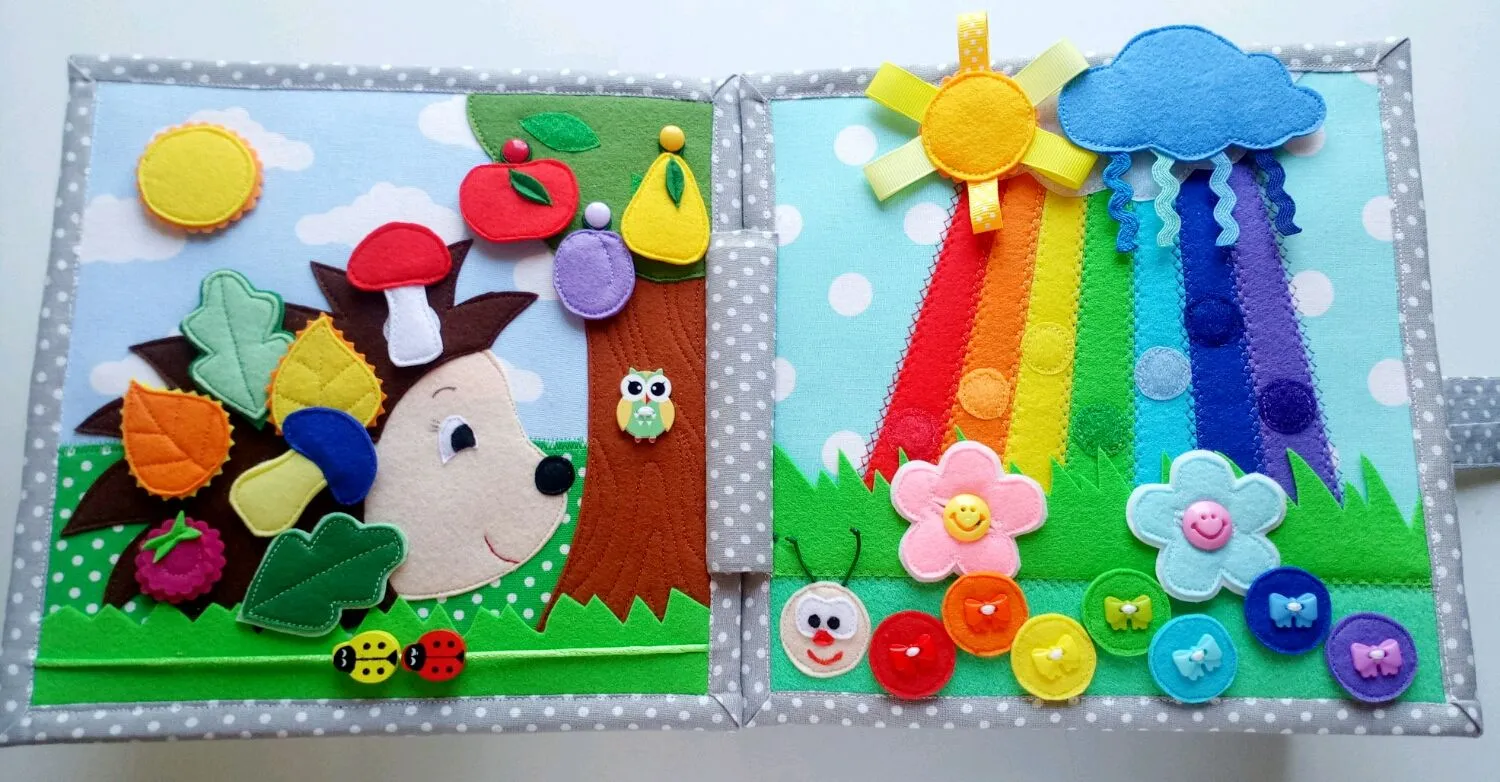
Adding Activities: Include interactive elements such as textures to touch, snap-button doors, or tieable strings to encourage sensory exploration.
Assembling the Book: Put all the pages together and stitch along the edges to complete your soft book.
Making fun felt toys for children is a delightful way to provide them with safe, loving toys that support learning through play. These projects help develop children’s fine motor skills, creativity, and imagination, while also offering you an enjoyable and fulfilling crafting experience. Thanks to the endless possibilities of working with felt, you can create personalized toys made especially for your children.
If you’re curious about eco-friendly felt designs, you can also read this article: Sustainable Living Practices: Eco-Friendly Felt Designs.