+90 (544) 637 49 04
 bilgi@kecedünyasi.com



Synthetic Felt Prices and Applications
Felt, one of the oldest textile products used by humans, has survived to the present day thanks to its unique properties and the benefits it provides. In recent years, the increase in scientific studies on felt has revealed previously unknown characteristics, which has further expanded its range of applications. Synthetic felt is now widely preferred for various purposes in both everyday life and industrial fields. However, not all synthetic felts are produced at the same quality level. For this reason, there is a direct relationship between synthetic felt prices and the quality of the felt.
Other Types of Felt and Applications of Synthetic Felt
As the uses and purposes of felt have diversified, different types of felt have emerged. The main types of felt and their applications can be summarized as follows:
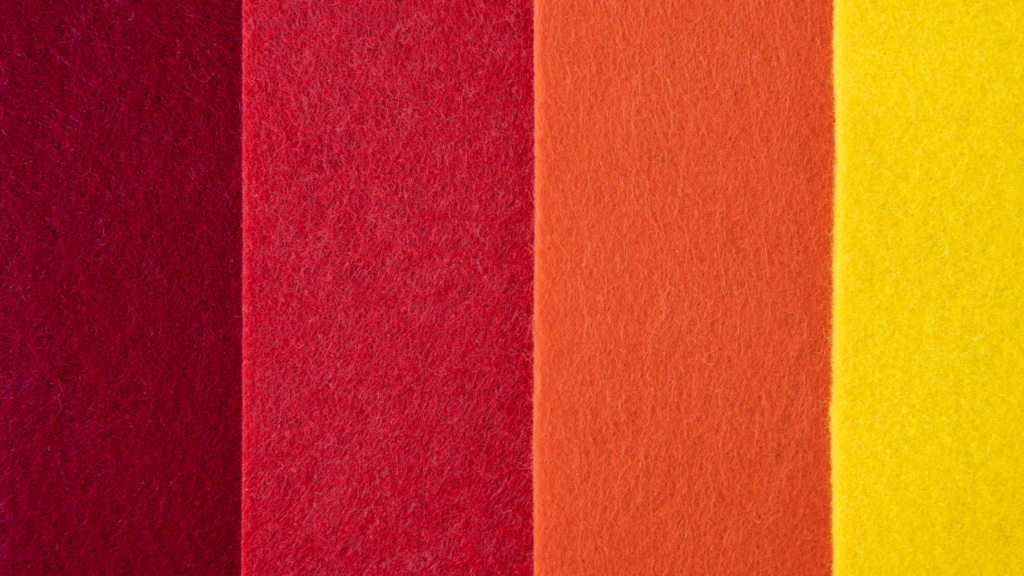
- Synthetic Felt: Synthetic felt is one of the most widely used types of felt and is produced by compressing fibers. Depending on the intended use, synthetic felt is typically manufactured in thicknesses ranging from 1 to 5 mm. It is most commonly used on floors and in floor coverings. Synthetic felt is also frequently used in needlework and decorative applications.
- Dry Felt: Also known as needle felt, dry felt is produced by repeatedly piercing wool fibers with needles so that they interlock. Dry felts are primarily used in industrial applications.
- Wet Felt: In the production of wet felt, wool fibers are first soaked in soapy water and then compressed until the desired fabric thickness is achieved. During this process, water and friction open the fiber scales, allowing them to interlock tightly. This results in a highly durable felt structure. Wet felts are also mainly used for industrial purposes.
Quality Felt Prices
Many factors influence felt prices, with quality being one of the most important. Although there are numerous companies producing and selling felt in the market, this does not mean that all felts are high-quality or functional. Choosing higher-quality felt is essential to meet specific needs, but it should be noted that there is a clear correlation between felt quality and price.
From this perspective, the presence of many felt manufacturers is advantageous in terms of offering more options. In markets with limited suppliers, prices tend to be higher. Today, the widespread use of the internet and online shopping platforms allows buyers to conduct broader market research. This opportunity should be utilized before purchasing felt to identify suppliers offering high-quality products at competitive prices.
Brand recognition also plays a role in pricing. Well-known brands tend to offer higher-quality products to protect their reputation. When long-term use is desired, quality should be prioritized over price. Focusing solely on price may result in purchasing felt that has a shorter lifespan or does not meet performance expectations. Therefore, price comparisons should be made among products that meet quality requirements
Advantages of Buying Felt Wholesale
One of the key factors affecting felt prices is the purchase quantity. There can be significant price differences between retail and wholesale felt purchases. For this reason, buying felt wholesale generally offers a more cost-effective solution. However, wholesale felt prices may still vary from one supplier to another, making comprehensive research among reputable suppliers essential.
Bulk purchasing also provides protection against market fluctuations that may occur from time to time. With 17 years of experience in the industry, Keçe Dünyası is one of Turkey’s leading manufacturers of synthetic and polyester felt, offering high-quality and affordable wholesale felt production and sales. Our company provides wholesale felt in custom sizes, thicknesses, and colors, along with product usage training for our customers.