+90 (544) 637 49 04
 bilgi@kecedünyasi.com



How to Attach Felt in 10 Steps
Are you wondering how to attach felt? In this guide, you can learn the step-by-step process of gluing felt.
Felt is a versatile material made from natural fibers and is commonly used in crafts and decoration projects. Attaching felt is a method used to join felt pieces together or to adhere felt to another surface. Below, we explain in detail how to attach felt in 10 steps.
Which Adhesive Should Be Used to Attach Felt?
To attach felt, acrylic-based adhesives are generally preferred. Silicone-based adhesives can also be used. Acrylic adhesives are favored because they are compatible with felt, while silicone adhesives are ideal for water-resistant and stronger bonding.
How to Attach Felt: Preparations Before Gluing
Before attaching felt, it is essential to ensure that the surface is clean. If there is dust or dirt on the surface, the adhesive may not bond properly. Therefore, always clean the surface thoroughly before starting the gluing process.
Tools and Materials Needed for Gluing Felt
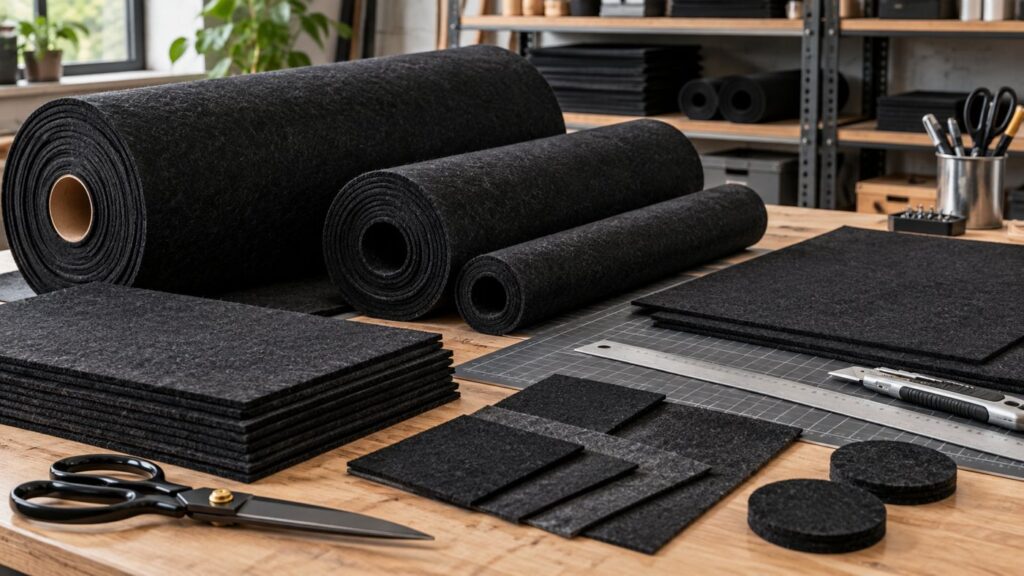
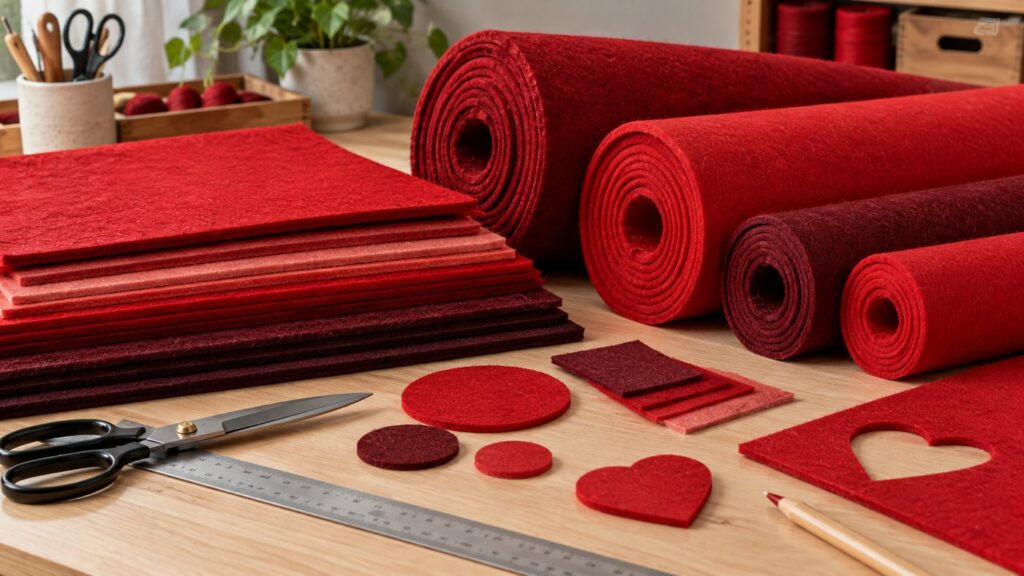
To attach felt, you will need adhesive, a brush, scissors, and a ruler. Using a brush makes it easier to spread the adhesive evenly. Scissors and a ruler are necessary for cutting and measuring the felt accurately.
How to Attach Felt: Tips During the Gluing Process
When attaching felt, be careful not to use too much adhesive. Additionally, ensure that the felt pieces fit together perfectly before applying the glue. After applying the adhesive, press the felt pieces firmly to ensure a strong and even bond.
How to Attach Felt: Which Methods Can Be Used for Gluing?
How to Attach Felt? Several methods can be used for gluing. The most common ones are listed below:
Gluing Felt with Acrylic Adhesive: This is the most common method for attaching felt pieces together. Acrylic adhesive is compatible with felt, easy to apply, and water-resistant.
Gluing Felt with Silicone Adhesive: Silicone adhesive can be preferred for a stronger bond. However, it is important to use the adhesive in the correct amount. Additionally, make sure the surface is completely clean before applying the adhesive.
Sewing Felt Together: This method is used to attach felt pieces by stitching. It is particularly suitable for decoration or clothing applications.
Gluing Felt with Hot Glue: Hot glue can be used to quickly bond felt pieces together. However, this method may be less durable compared to other techniques.
How to Attach Felt? What Is the Most Effective Method for Gluing?
The most effective method for attaching felt is using acrylic adhesive. This method is easy to apply, water-resistant, and provides a stronger bond because it is compatible with felt.
How to Attach Felt? What Maintenance Should Be Done After Gluing?
After gluing felt, any adhesive residue on the felt pieces should be cleaned. Additionally, the felt material should be stored properly. If felt products are used frequently, they should be checked regularly, and re-gluing can be done when necessary.
Common Problems in the Felt Gluing Process
During the felt gluing process, issues such as using too much adhesive, the felt pieces not fitting together perfectly, or adhesive residue spreading onto the surface may occur. Therefore, it is important to be careful during the gluing process and make corrections if needed.
Tips for Gluing Felt
Here are some key tips for attaching felt and ensuring a successful gluing process:
- Do not use too much adhesive, as this can prevent proper bonding.
- Make sure the felt pieces fit together perfectly before applying glue.
- Ensure the surface is completely clean before gluing.
- After applying the adhesive, press the felt pieces firmly together.
- For large felt pieces, it can be more efficient to have two people working during the gluing process.
Application Examples for Felt Gluing
There are many practical applications for gluing felt. The most common examples include:
- Making Felt Bags: Felt bags can be created and combined with various handmade decorative elements.
- Making Felt Pillows: Felt pillows can be made by gluing or sewing felt pieces together.
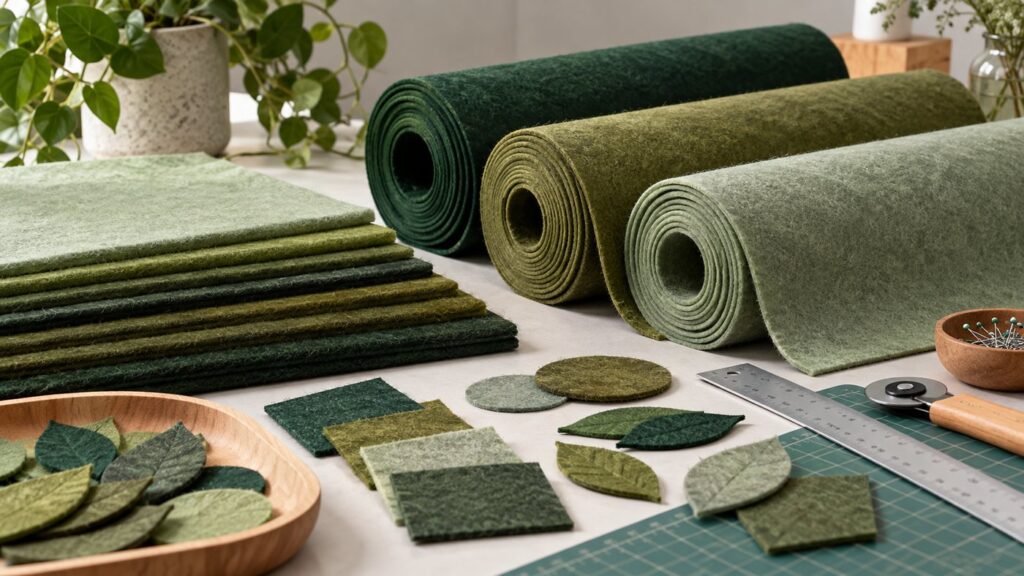
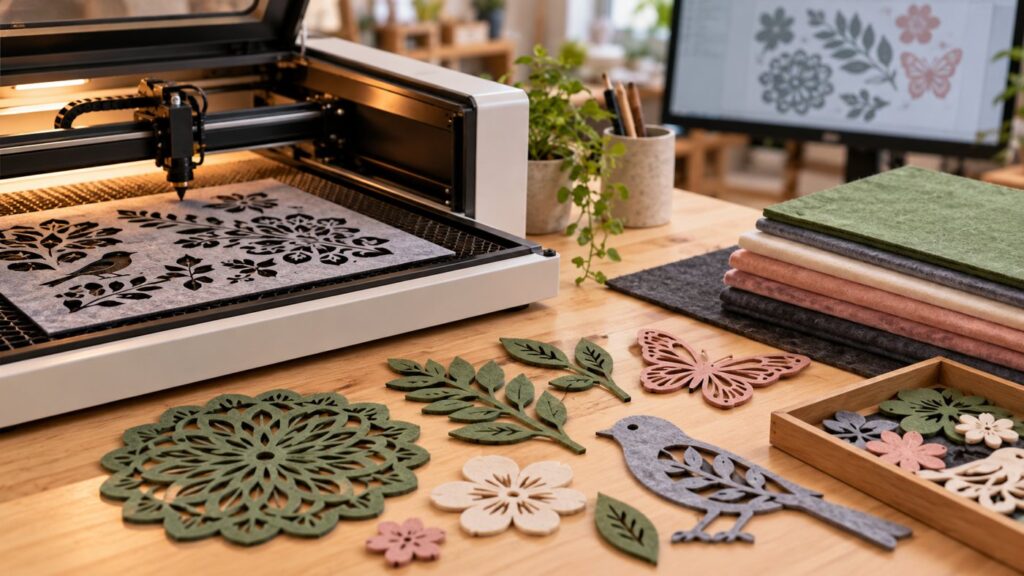
- Making Felt Decorations: Felt is widely used for decorative items, such as Christmas tree ornaments and other craft embellishments.
In conclusion, gluing felt can be done easily with the right adhesive and tools. Ensuring that felt pieces fit precisely and are firmly bonded after gluing is essential for durable results. Additionally, care should be taken during the gluing process, and corrective measures applied if needed.
Benefits of Gluing Felt
How to attach felt? Gluing felt offers many benefits, including:
- Durability: Felt is a strong material with a long lifespan. Objects with glued felt will last longer.
- Thermal and Sound Insulation: Felt provides insulation against heat and noise, making the glued objects quieter.
- Softness and Comfort: Felt is a soft material with a pleasant texture, making objects covered with felt more comfortable to touch and use.
Frequently Asked Questions About Gluing Felt
Let’s look at some common questions about how to attach felt and the gluing process:
Which adhesive should I use to glue felt?
The most suitable adhesive is usually hot silicone glue. However, different adhesives can be used depending on the surface. For metal surfaces, a spray adhesive may be ideal, while for wooden surfaces, wood glue works best.
How long should I wait after gluing felt?
After applying the adhesive, wait a few minutes until the glue sets before cleaning any excess.
Where can I glue felt?
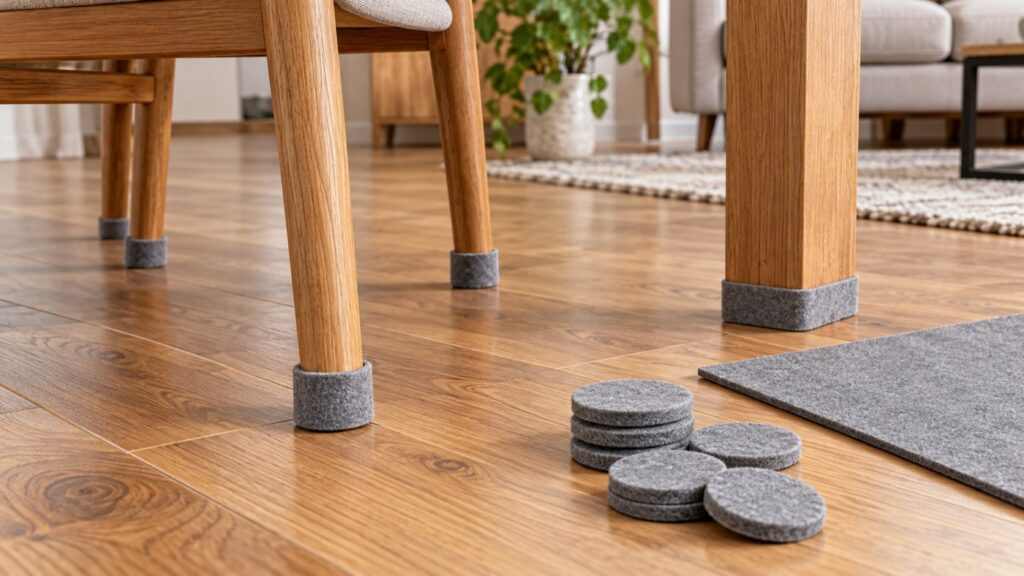
Felt can be glued almost anywhere. It is resistant to temperature and humidity changes, so it can be used indoors or outdoors. Felt can be applied to furniture, walls, doors, bags, shoes, and many other items.
How do I clean felt?
Felt can be damaged by water, so avoid soaking it. Use a dust brush or lightly dampened cloth for cleaning. To remove stains, put a few drops of dish soap on a lightly damp cloth and gently wipe the stain, then dry the felt with a clean cloth.
Conclusion
Gluing felt is easy when using the right adhesive and following proper steps. Felt gluing offers many benefits and can be applied to nearly any surface. This guide answers the most frequently asked questions about gluing felt. Now you know how to attach felt!