+90 (544) 637 49 04
 bilgi@kecedünyasi.com



Tips for Using Soft Felt: Handy Advice for Craft Projects
Soft felt is a colorful and flexible material frequently preferred in crafts and DIY projects. Although working with this versatile material may seem simple, there are certain tips and tricks that can take your projects to the next level. When working with soft felt, you need some basic guidance to both understand the nature of the material and use it in the most effective way. In this article, we will cover many topics—from how to use soft felt effectively in your craft projects to techniques that will help you maximize your creativity. Whether you are a beginner hobbyist or an experienced artist, these tips will help you make the most of the endless possibilities that soft felt offers. Now, let’s step into this colorful and textured world together and discover the secrets of soft felt.
What Should You Pay Attention to When Choosing Soft Felt?
Soft felt is a material frequently preferred in crafts and hobby projects, standing out with its texture and range of colors. However, choosing the right soft felt can greatly affect the quality and appearance of your project. Here are the key points to consider when selecting soft felt:
Quality and Material Type: The quality of felt starts with the raw material used. Natural wool felts are generally of higher quality and are ideal for long-term use. Synthetic felts, on the other hand, can be more affordable and offer a wider range of colors. Choosing the material type that suits your purpose will increase the success of your project.
Texture Density and Flexibility: The density and flexibility of soft felt affect its workability and durability. Very thin or loosely textured felts may not be suitable for certain projects. It is important to choose a felt with a texture appropriate for the project you plan to make.
Color and Vibrancy: The colors of soft felt determine the aesthetic appearance of your project. Choosing vibrant, fade-resistant colors will help maintain the look of your project over time. Also, considering how the colors harmonize with each other will enhance the overall appearance of your work.
Price and Budget Compatibility: When purchasing soft felt, it is important to consider options that fit your budget. In general, a balance can be found between quality and price. Higher-quality felts may be more expensive, but they can be more economical in the long run due to their durability.
Environmental Impact and Sustainability: If environmental factors are important to you, it may be beneficial to choose felts made from sustainable sources and produced through eco-friendly processes. Such felts often meet higher quality standards.
Choosing the right soft felt is a factor that directly affects the success of your project. By considering quality, texture density, color vibrancy, price, and environmental impact, you can select the most suitable felt for your needs.
Basic Felt Cutting Techniques and Tips
Soft felt is a material widely preferred in many craft projects thanks to its flexible structure and ease of use. However, cutting felt neatly is critical for achieving a professional and clean look in your project. Here are the basic cutting techniques and tips you should know when working with soft felt:
Choosing the Right Tools: Using sharp, high-quality scissors is essential for cutting soft felt. Sharp scissors ensure clean and smooth cuts, preventing the edges from fraying or becoming rough.
Using Templates: Using templates for the pattern or shape to be cut makes the process easier and helps you achieve more precise results. Templates can be made from materials such as paper or cardboard and traced onto the felt.
Marking for Clean Cuts: Before cutting, marking the felt with a water-based pen helps ensure accurate cuts. These markings act as a guide during cutting and help prevent mistakes.
Being Careful While Cutting: When cutting soft felt, it is important to keep the scissors steady and avoid pulling the fabric. Pulling the felt can distort the shape and result in uneven cuts.
Patience with Small and Complex Shapes: Patience is key when cutting small or intricate shapes. Slow and careful cutting leads to cleaner and more defined results.
Trimming the Edges: After completing the cutting process, using scissors to tidy up the edges and remove any rough spots will give your project a more professional appearance.
Choosing Material According to Cutting Technique: Soft felts of different thicknesses may behave differently during cutting. Selecting a felt thickness suitable for your project will make the cutting process easier.
When working with soft felt, applying these basic cutting techniques and tips will help your craft projects look cleaner and more professional. The cutting process can significantly affect the overall quality and aesthetics of your project, so following these steps carefully is important.
Yumuşak Keçede Renk Uyumunu Sağlama Yöntemleri
Soft felt is a material frequently preferred in many creative projects thanks to its colorful and flexible structure. To create visual harmony and aesthetic appeal in your projects, color selection and coordination are of great importance. Here are methods you can follow to achieve color harmony in soft felt:
Basics of Color Theory: The first step to achieving color harmony is understanding the basic principles of color theory. The color wheel shows which colors work well together. Complementary (opposite), analogous (adjacent), and triadic (triangle-based) color schemes can help you create balance and harmony in your projects.
Understanding the Psychological Effects of Colors: Colors have specific effects on emotions and perceptions. For example, blue conveys calmness and trust, while red represents energy and passion. Consider these psychological effects when choosing colors to create the desired impact in your projects.
Taking Inspiration from Nature: Color harmonies found in nature can be an excellent source of inspiration for your projects. Landscapes, plants, and animals offer natural and balanced color combinations.
Reviewing Sample Projects: Examining projects by other artists and craft enthusiasts can help you gain ideas about color combinations. These examples can provide practical insights into how color harmony is achieved.
Creating Color Palettes: Creating color palettes in advance lays the foundation for a harmonious look in your projects. Color palettes help you decide which colors will be used at the beginning of the project.
Trial and Error Method: The best way to gain experience with color harmony is through experimentation. Playing with different color combinations helps you understand over time which colors work well together.
Considering Balance and Contrast: Color harmony is not only about colors matching each other but also about using balance and contrast correctly. Using too many bright or dark colors can cause visual fatigue, so maintaining balance is important.
Successfully achieving color harmony in your soft felt projects will make them more attractive and visually satisfying. These methods will help you make informed decisions about color selection and create visual coherence in your projects.
Felt Stitching: Best Practices for Handcraft Projects
Soft felt is a material frequently used in handcrafts, and sewing it requires specific techniques and practices. The flexible structure and soft texture of felt can present certain challenges during stitching. Here are the best practices you can apply when sewing soft felt:
Choosing the Right Needle: Selecting a needle of appropriate size and thickness is important for sewing soft felt. Medium-thickness needles with rounded tips are generally preferred. These needles pierce the felt without damaging the material and allow for smoother stitches.
Considering Thread Type and Color Harmony: Thick and durable threads are usually used for felt stitching. Paying attention to matching the thread color with the felt color enhances the overall aesthetic of your project. If you prefer the stitches to be less visible, choosing a thread in the same color as the felt is ideal.
Selecting the Right Stitching Techniques: Various stitching techniques can be used for soft felt. Techniques such as running stitch, backstitch, chain stitch, and blanket stitch can be chosen depending on the structure of the felt and the needs of your project.
Paying Attention to Stitch Tension: When sewing felt, it is important not to pull the thread too tightly. Overly tight stitches can distort the shape of the felt and cause the material to wrinkle. Loose and gentle stitches are ideal for preserving the natural structure of the felt.
Practicing on Sample Pieces: Before trying a new stitching technique, practicing on a piece of felt of the same type helps you better understand the technique. This allows you to identify potential issues and difficulties before applying it to your actual project.
Edge Finishing and Final Touches: After sewing soft felt, finishing the edges neatly and cleanly improves the overall quality of the project. Edge stitches and decorative finishing techniques help give your project a more professional appearance.
Securing and Marking the Felt: Before stitching, properly securing the felt and marking it if necessary helps prevent mistakes. This prevents the felt from shifting or losing its shape during sewing.
Applying these best practices when sewing soft felt will help ensure that your projects are both aesthetically pleasing and functionally successful. Felt stitching allows you to make the most of the material’s flexible and durable nature, especially in handcraft and hobby projects.
Creative Felt Decoration Ideas: Inspiring Projects for the Home
Soft felt is a versatile and colorful material that can be used in home decoration. Both practical and aesthetic, this flexible material allows you to create creative décor projects with ease. Here are a few inspiring ideas you can make using soft felt to bring your home to life:
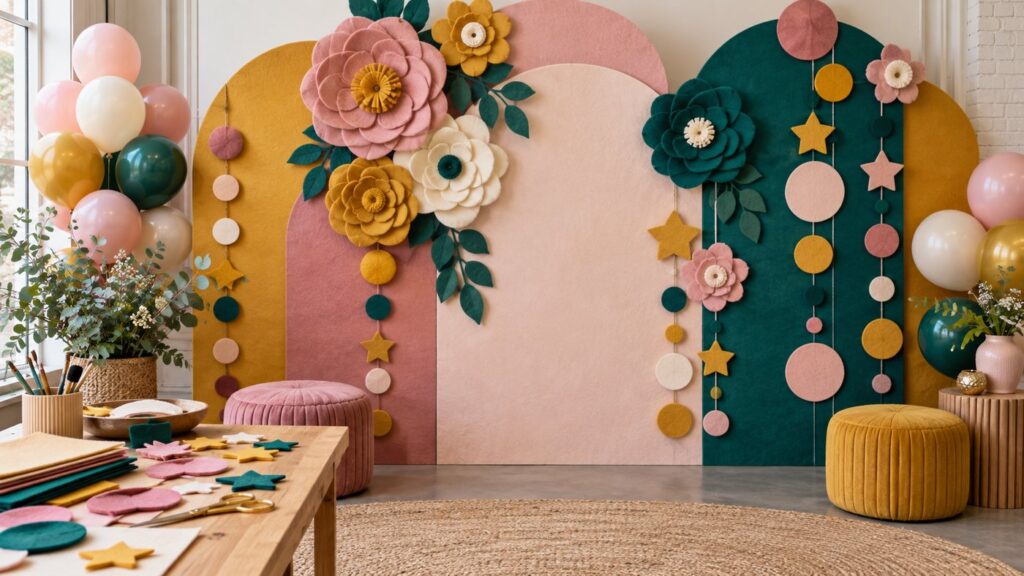
Felt Wall Decorations:By cutting soft felt into various shapes, you can use them as wall decorations. Combining colorful felt pieces, you can create abstract patterns, animal figures, or nature-inspired scenes.
Felt-Covered Vases:You can add a warm touch to your home décor by covering simple glass or ceramic vases with colorful felt pieces. This technique is also perfect for repurposing old vases.
Felt Pillow Covers:By making pillow covers from soft and comfortable felt, you can refresh the look of your living room or bedroom. You can experiment with different styles using patterned or plain felt.
Felt Wall Art:Soft felt can be used to create small artworks or wall panels. By layering felt, you can add depth and create visually appealing decorative pieces.
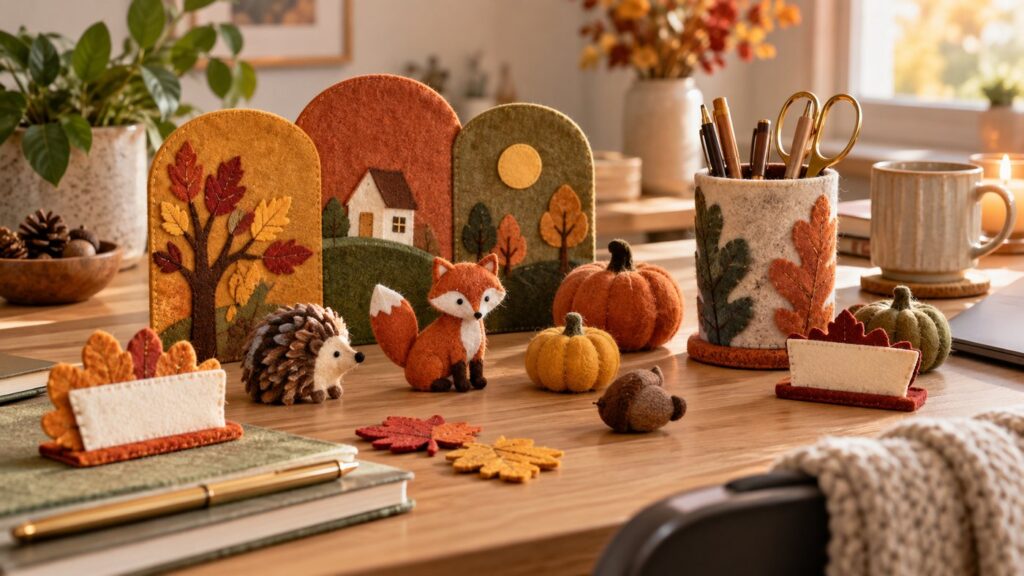
Felt Door Decorations:You can add a welcoming atmosphere to your home entrance by making felt door decorations for different seasons. For example, felt leaves for autumn or snowflakes for winter.
Felt Window Decorations:Create window decorations using figures cut from soft felt to add color to your interior spaces. As sunlight passes through the felt shapes, it can create beautiful shadow effects.
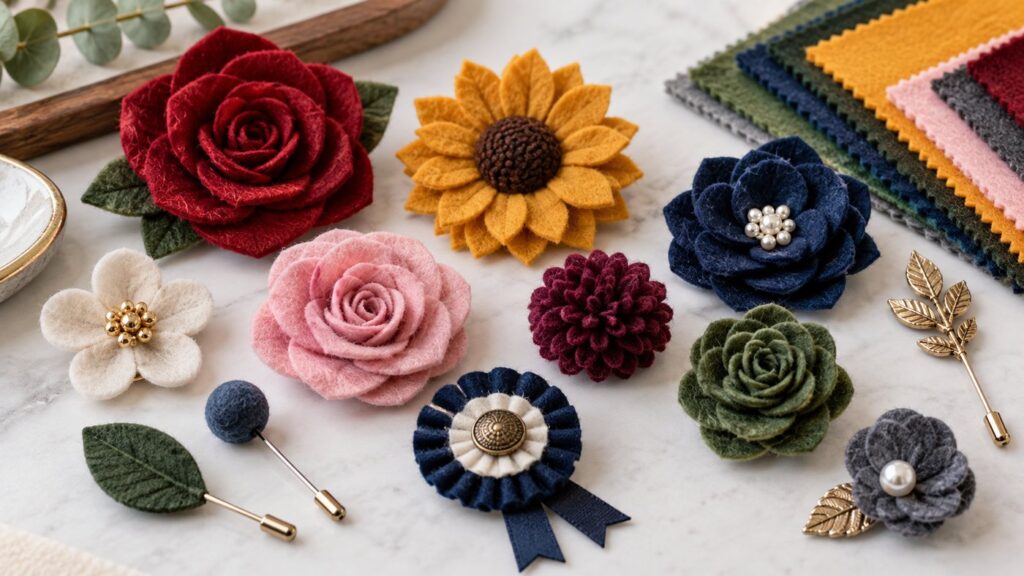
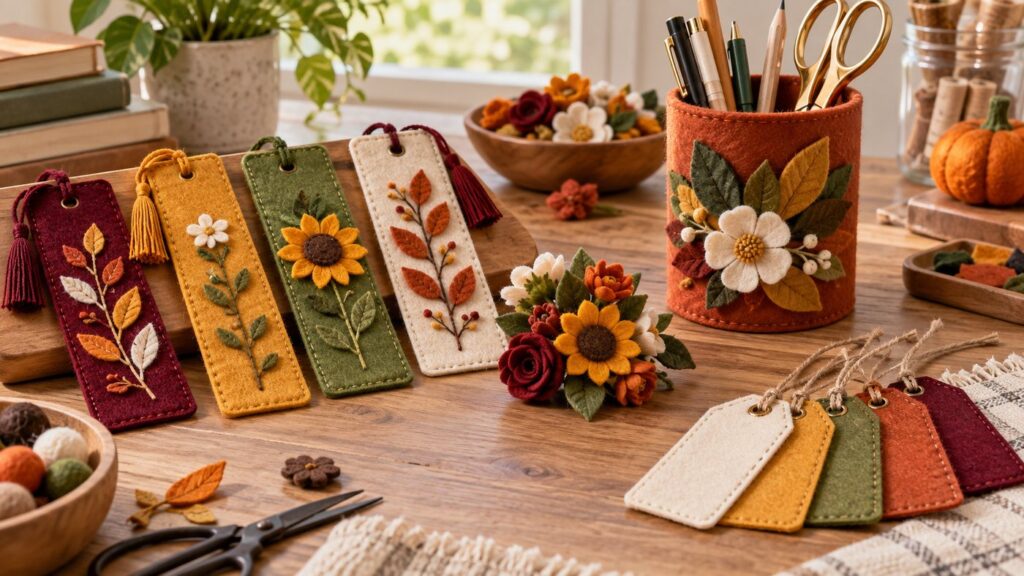
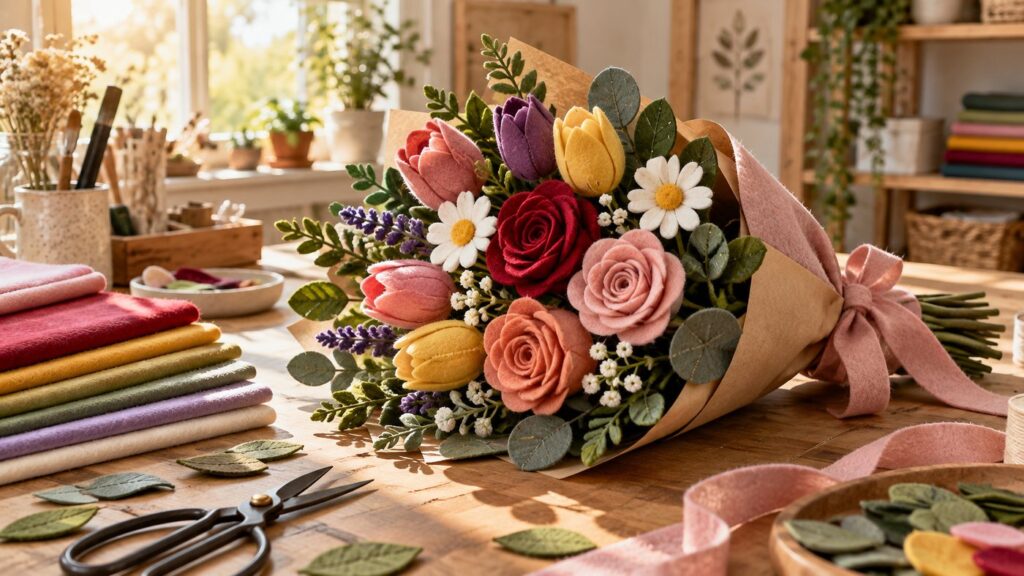
Felt Flowers and Plants: For those who are allergic to real plants or find them difficult to maintain, felt flowers and plants are a perfect alternative. These decorative plants require no care and maintain a fresh appearance throughout the year.
Soft felt can be used in a wide range of home décor applications and easily adapted to your personal taste. These projects are wonderful ways to personalize your home while expressing your creativity. Whether you are a beginner hobbyist or an experienced artist, these ideas will help you make the most of the endless possibilities that soft felt offers.