+90 (544) 637 49 04
 bilgi@kecedünyasi.com



What Are the Applications and Advantages of Nonwoven and Felt Materials?
With the advancement of technology and manufacturing techniques, the textile industry is undergoing a major transformation. One of the most notable elements of this transformation is the widespread adoption of nonwoven and felt materials. But what exactly are nonwoven and felt materials? In which application areas are they used, and what advantages do they offer? Let’s explore the answers to these questions together.
What Are Nonwoven Materials?
Nonwoven materials, also known as nonwoven fabrics, are produced by bonding fibers together without weaving or knitting, unlike traditional textile manufacturing methods. In this process, the fibers are bonded using chemical, mechanical, or thermal methods. Nonwoven materials stand out for their flexibility, durability, and lightweight properties, and they offer a wide range of applications across various industries.
What Are Felt Materials?
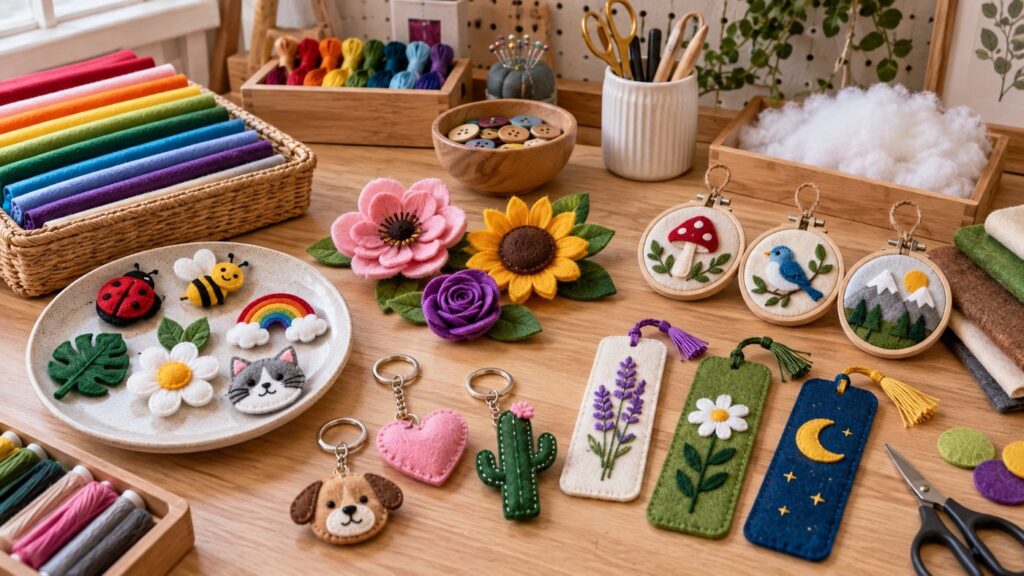
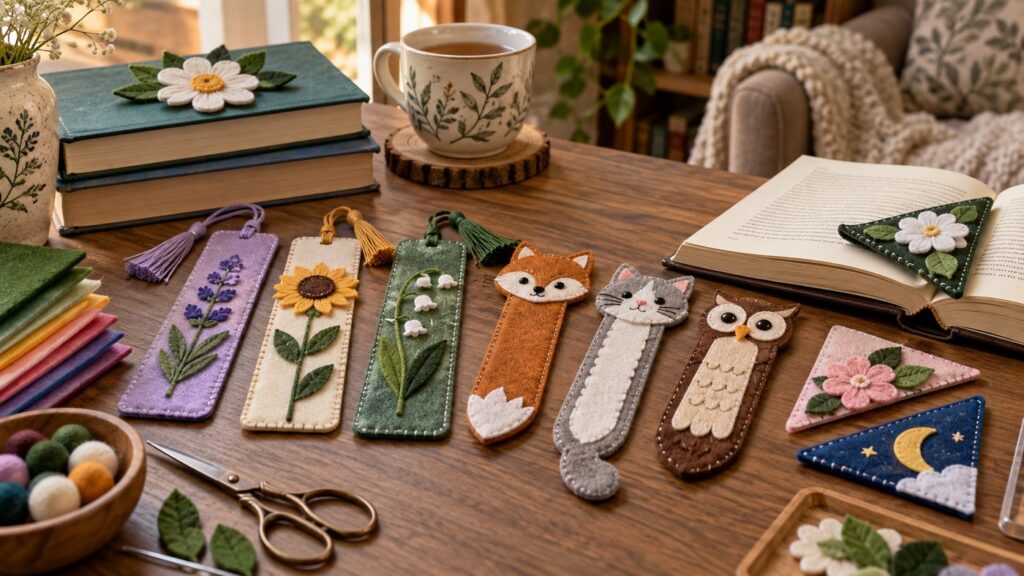
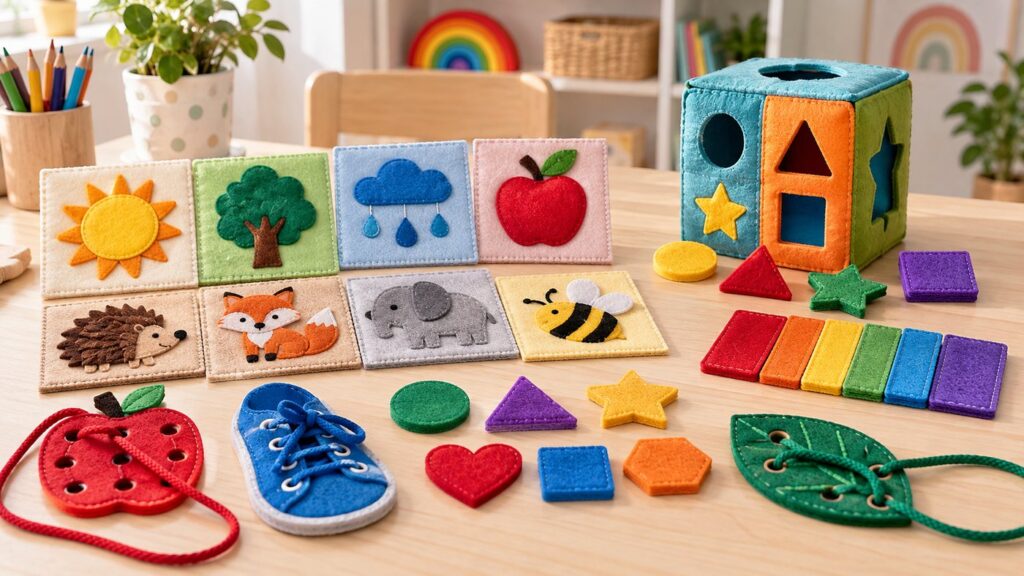
Felt is a material formed by fibers tightly bonding together under the effects of moisture, heat, and pressure. It is typically made from wool fibers and is known for its durability, insulation properties, and ability to be easily shaped. Felt is a traditional material that has been used across various cultures throughout history, and with modern production techniques, it has found a much wider range of applications.
Applications of Nonwoven and Felt Materials
- Healthcare and Hygiene: Nonwoven materials are widely used in the healthcare sector for products such as hygiene items (baby diapers, feminine hygiene products), surgical masks, and sterilization covers. These materials are preferred because they provide protection against bacteria and offer good breathability.
- Automotive Industry: Felt and nonwoven materials are used in the automotive sector for sound insulation, vibration reduction, and interior upholstery. While enhancing vehicle comfort, these materials also contribute to energy efficiency.
- Construction and Building: Nonwoven and felt products are commonly used in building materials for thermal insulation and waterproofing. They help improve the energy efficiency of buildings and extend their service life.
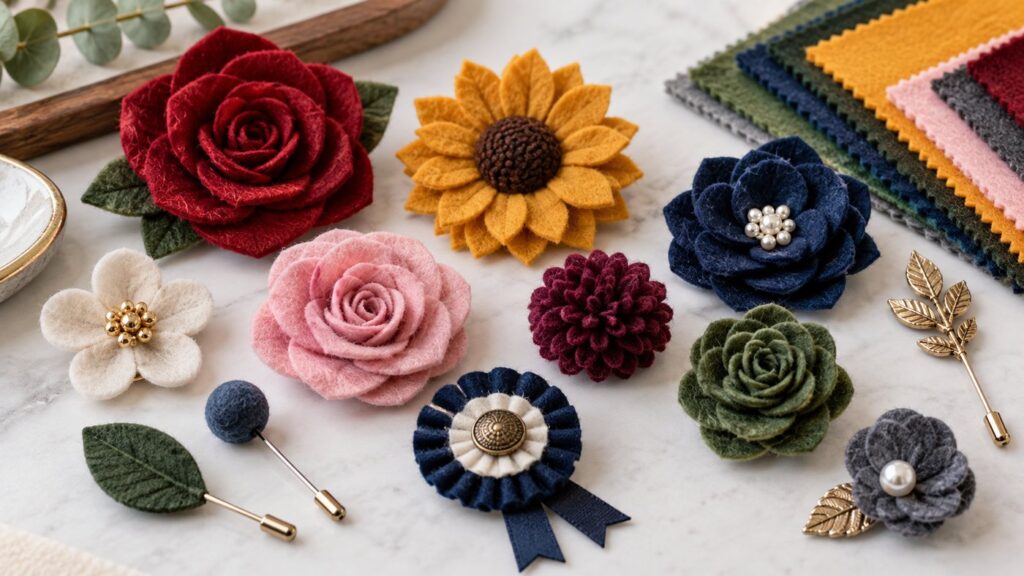
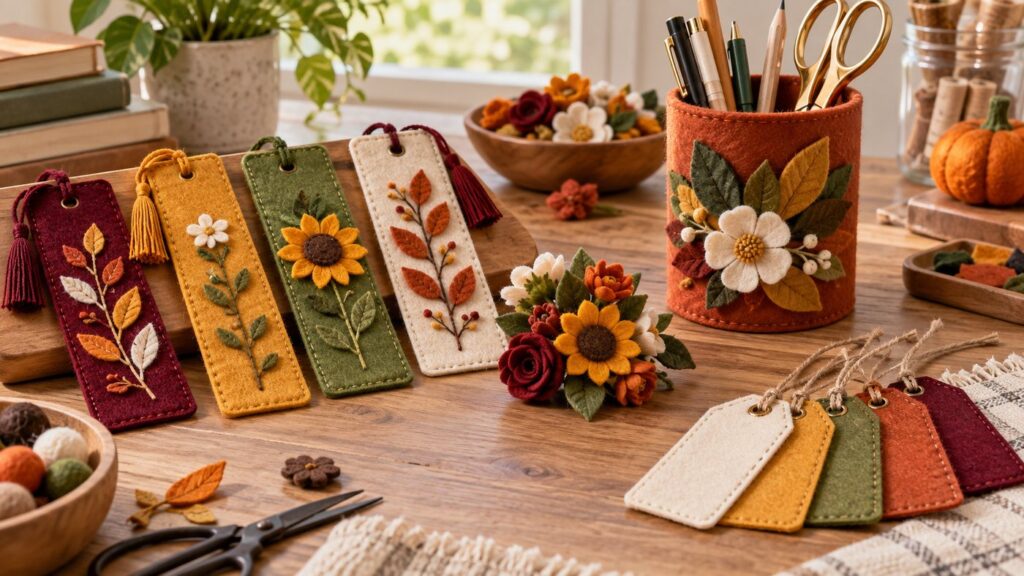
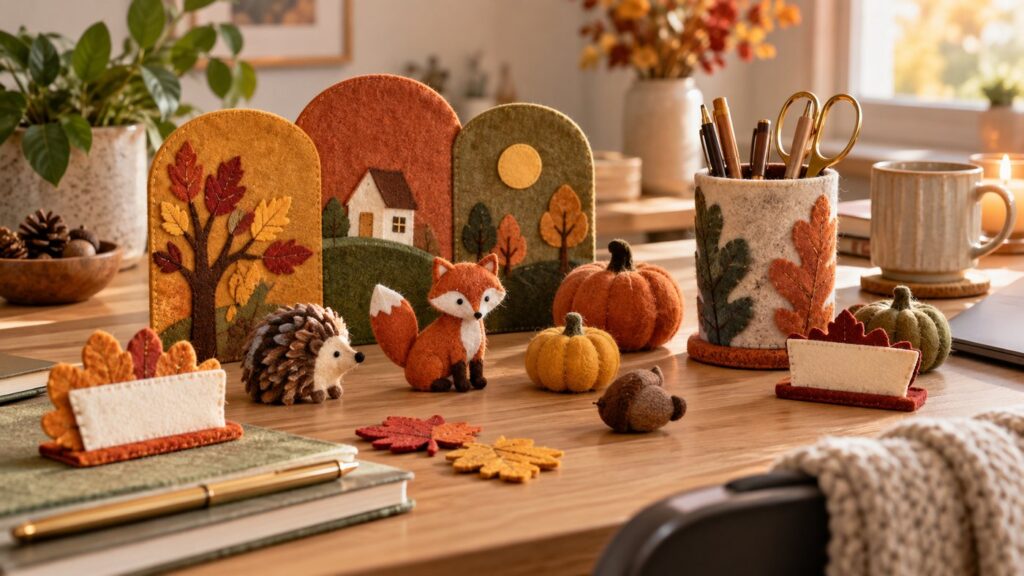
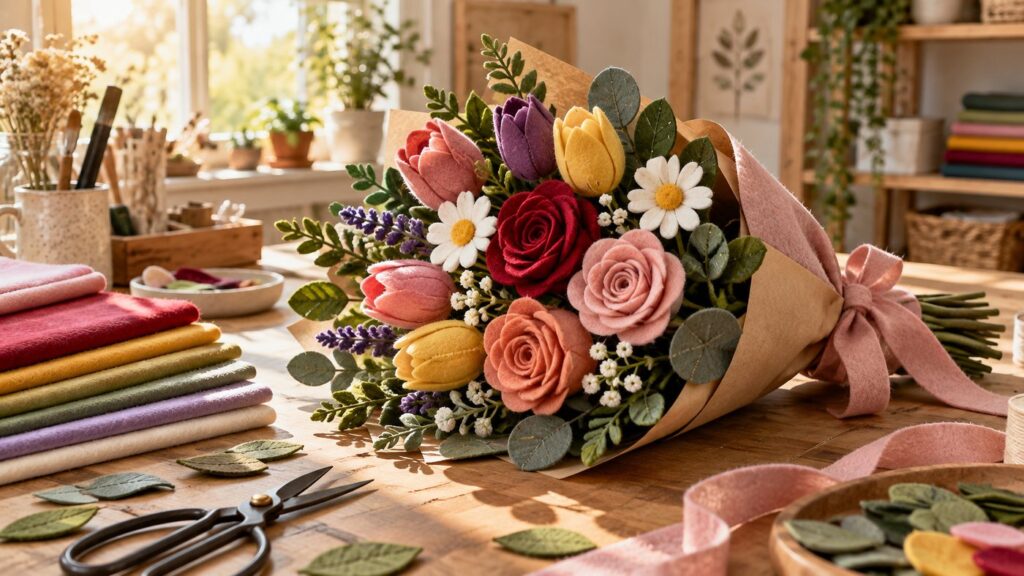
- Furniture and Decoration: In furniture upholstery and decorative products, felt and nonwoven materials provide an aesthetic appearance along with durability. Felt, in particular, is frequently preferred in modern interior design.
- Filtration: Nonwoven materials are effectively used in air and water filters. Their high filtration capacity and durability make them indispensable for both industrial and household applications.
Advantages of Nonwoven and Felt Materials
- Durability and Flexibility: Nonwoven and felt materials are known for their high durability and flexibility. Thanks to these properties, they offer long service life and show strong resistance to various environmental conditions.
- Cost-Effective Production: The production of these materials is more economical and faster compared to traditional textile products. High-volume manufacturing capacity reduces costs and enables their use across a wide range of applications.
- Environmentally Friendly: Nonwoven and felt materials are recyclable and environmentally friendly. Their production processes require less energy and water, which helps minimize environmental impact.
- Versatility: These materials offer versatile usage across many industries. Their customizable structures, tailored to different needs, make a wide range of applications possible.
Conclusion
Nonwoven and felt materials are transforming the traditional textile approach through modern manufacturing techniques, offering wide application areas and significant advantages across various industries. With their durability, flexibility, and cost-effective production in sectors such as healthcare, automotive, construction, furniture, and filtration, these materials are expected to continue playing an important role in the future. Their environmentally friendly and recyclable nature also provides a major advantage for a sustainable future.
For more information about nonwoven and felt materials and our production solutions, you can contact our company. With our innovative manufacturing techniques and wide product range, we are pleased to offer the most suitable solutions for your industry needs.