+90 (544) 637 49 04
 bilgi@kecedünyasi.com



Developing Personalized Gift Products with Colorful Felt
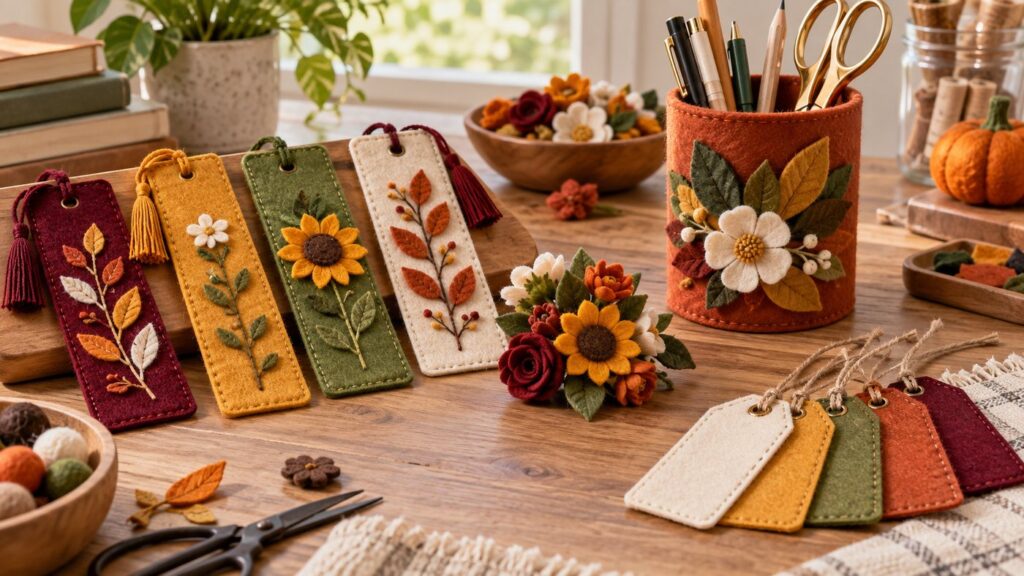
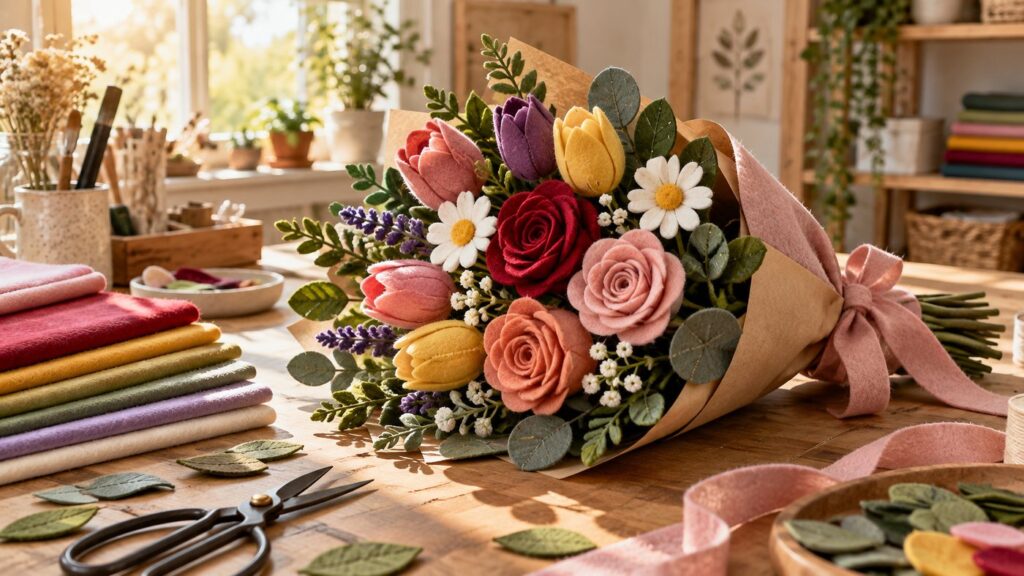
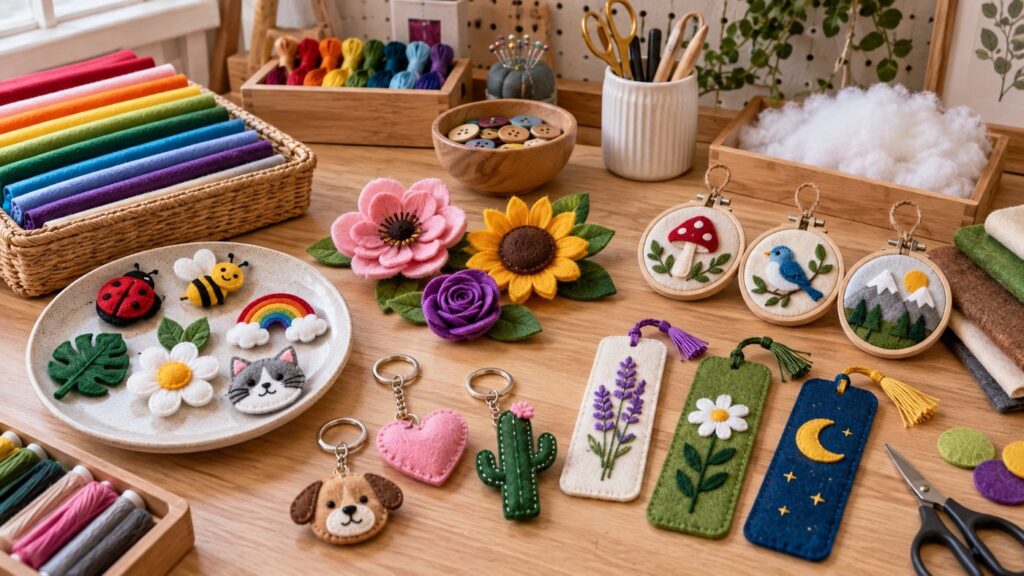
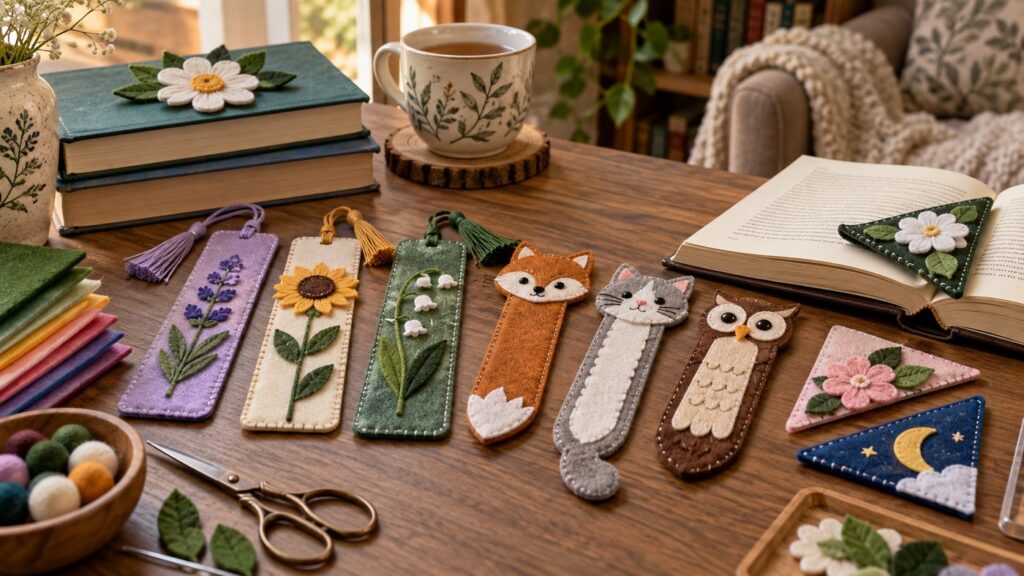
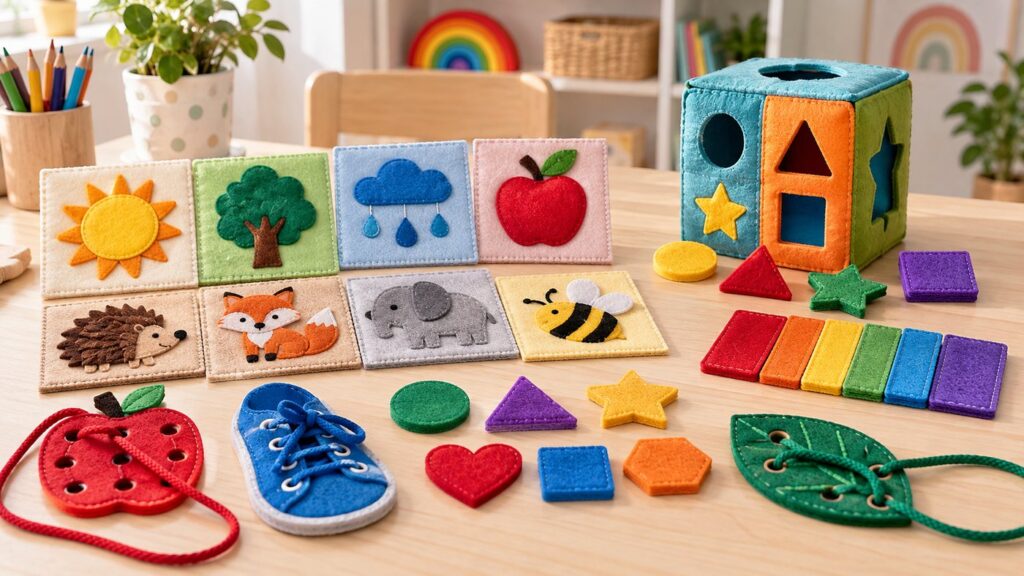
This guide focuses on developing personalized gift products with colorful felt. Colorful felt is a practical material for this topic because it is easy to cut, layer and combine with other surfaces. Its soft texture and broad color range help makers produce decorative items that feel warm, clear and carefully finished. Before starting, it is useful to define the intended use, expected frequency of use and the final size of the product.
Material thickness should be selected according to the structure of the design. Thin felt works well for small details and layered shapes, while thicker felt is more suitable when a piece must stand upright or keep its form. A small sample made before production makes it easier to assess the edge quality, flexibility and visual balance of the finished piece.
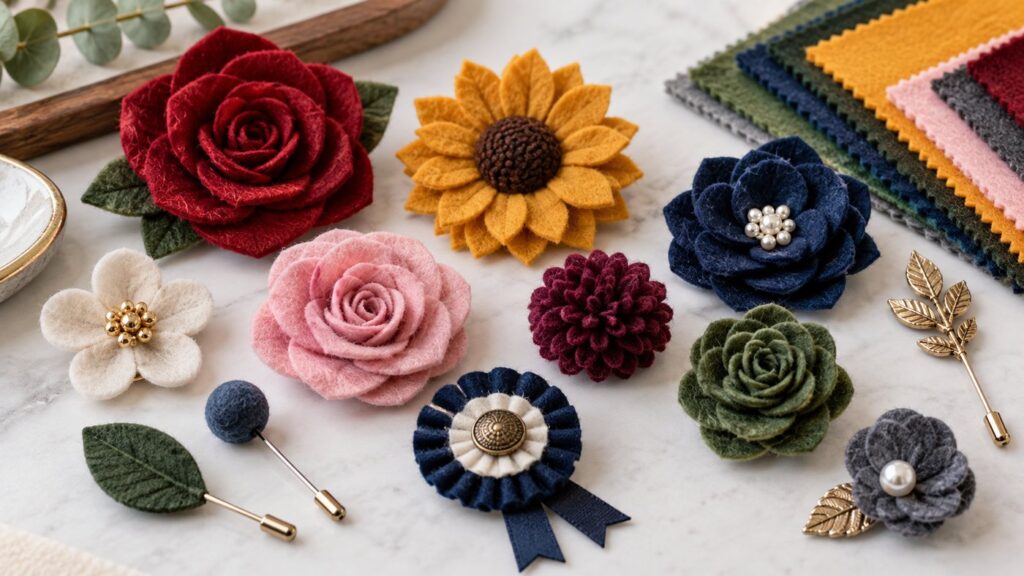
Color planning is as important as cutting. A main color, two supporting colors and one neutral tone usually provide a controlled composition. Looking at felt swatches together in the actual light of the room or display area helps prevent unwanted tone differences. This simple test is especially useful when a collection will be produced in repeated batches.
Clean cutting and careful assembly improve the perceived quality of felt products. Reusable templates are helpful for repeated shapes, and a suitable adhesive, thread or fastening method should be tested on a sample first. Edges, joins and small decorative parts must remain stable through normal use, storage and transport.
For online or boutique sales, product information should be clear. Size, thickness, color choices, personalization limits and preparation time allow customers to make confident decisions. Well-lit photographs that show the felt texture, layers and workmanship also make the product easier to understand before purchase.
Wholesale felt planning should consider surface consistency, color continuity and reliable stock as well as price. Keçe Dünyası supports colorful felt projects with material options suited to hobby work, decorative production and regular workshop needs. A planned supply schedule helps makers protect quality during busy seasonal periods.
In summary, this topic becomes easier to manage when design, color, thickness, cutting and assembly are planned together. Starting with a test piece, recording successful color combinations and keeping the material list organized create a repeatable process. The result is a colorful felt product that is both attractive and ready for practical use or sale.