+90 (544) 637 49 04
 bilgi@kecedünyasi.com



Pollen and Air Filter
Pollen and air filters are components in vehicles that need to be replaced frequently. This is because these parts must be cleaned regularly and are taken into consideration during vehicle maintenance. Pollen filters and air filters used in vehicles are different from each other, so it is important to know the differences between them. Especially for the people inside the vehicle, the pollen filter is much more important because it directly affects health and is installed in vehicles for this reason.
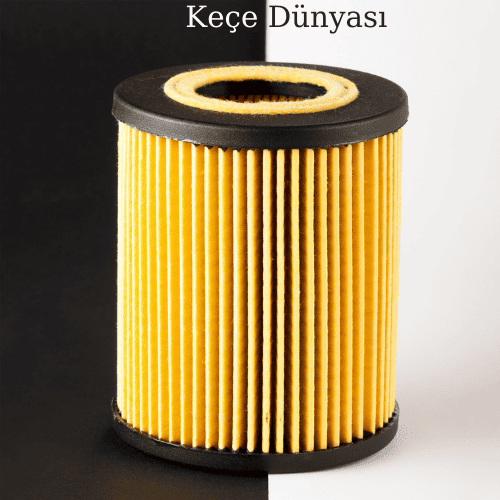
The air filter, on the other hand, is generally cylindrical in shape. It has a simple operating principle and filters the air entering the engine while the vehicle is running. However, regular cleaning is very important. Dust and dirt in the air are trapped by the filter and prevented from entering the vehicle. Air filters are also crucial for engine quality and lifespan. In addition, the air filter must be replaced to ensure the engine burns fuel at the correct rate.
Otherwise, due to a clogged air filter, a significant increase in fuel consumption may occur. This also includes the reaction of the gas pedal. Such negative effects greatly impact driving performance.
The advantages of pollen and air filters are numerous. These parts have become indispensable components of vehicles. Knowing the difference between air filters and pollen filters is very important. Although these two filters perform similar functions, they differ in form and areas of use. The pollen filter has a rectangular shape, while the air filter is known for its cylindrical form.
Especially during spring and summer, air and pollen filters become heavily clogged. For this reason, they are often mentioned together, as it is recommended that they be replaced at the same time. Attention should be paid not only to the filters themselves but also to their quality. Choosing the highest quality filter is important at this stage. Felt material plays a major role here. Filter felt is produced as a separate product. We are a company that produces filter felt materials, which is why filters used in many vehicles today are preferred.
Filters are indispensable components in all vehicle models. Especially the pollen filter, which distributes outside air into the cabin properly, must be made of a very special material. A similar situation applies to air filters. Air filters should be preferred due to harmful gases produced by fuels, and attention should be paid to their material.
Pollen and Air Filter Felt
Pollen and air filter felt is an essential component of filters. Filters can be made from different materials, but it is important that they are resistant to many conditions and are preferably made from natural materials. Felt attracts even the smallest and finest dust particles and holds them until cleaned. Therefore, well-produced felt material should be preferred.
The correct and suitable felt material is not always easy to find. As a filter felt manufacturer, we supply felt used in pollen and air filters. In this way, pollen and air filters can be used comfortably. The felt material seen in pollen filters is not used everywhere, meaning not every manufacturer prefers felt material in pollen and air filters. However, this is a risk, and felt should definitely be used because felt filters provide much stronger protection. Of course, there are different felt models, each with different permeability levels.
Many people think pollen and air filters are the same, but this is not the case. Therefore, the felts used in pollen and air filters can also differ. It is important to make the right choice accordingly. The quality of filter felts is also important. Our felts are of the highest quality and vary in models, though not in quality. Felts preferred for pollen and air filters should also be replaced frequently.
There is no standard replacement interval, as different regions play a role. Each region has a different pollen density, and this especially affects pollen filter replacement frequency.
Filter Felt Manufacturer
Pollen and air filter products are used in many different vehicle types, but they are not lifetime components in any vehicle. These products must be replaced regularly. Filters that are renewed periodically are much more effective in terms of quality. To benefit from the advantages of pollen and air filters, timely replacement is essential.
During this process, the material used in the filter becomes very important. The most critical element of a filter is its material. The material chosen for an air filter determines its lifespan and performance. At this stage, felt is the most commonly preferred material. Where the felt used in filters is produced is also a point of interest. The size of felt used in filters may vary depending on the vehicle.
All suitable selections and production processes are carried out accordingly. This is also an important factor when choosing pollen felt. Pollen felt must have a very fine texture, and the narrowness of the pores should also be considered because pollen particles are extremely small. Minimizing the amount of dust entering the vehicle is a priority. Therefore, when choosing filters, it is important to understand the differences and characteristics of pollen and air filters.
The properties of the felt material are also important. Accordingly, the production of felt material is of interest. When choosing between pollen and air filters, you should also examine the proportion of felt used. The percentage of felt content is a matter of curiosity.
How Are Pollen and Air Filters Produced?
The production of pollen and air filters is a subject of interest. There are many ideas about how this production takes place and the stages involved. As a company, we follow the process from the initial stage of felt production to the final stage. Felt is a very special material, and there are many factors to consider when producing pollen felt. The production of pollen felt begins with felt being a natural material, as it is obtained from animal hair.
Of course, it cannot be obtained from every animal. The most important sources are animals such as sheep, camels, and goats. These animals exist in many regions, and especially goats and sheep are common in our country. There are many different techniques for felt production. However, technological advancements have increased production capacity while also standardizing techniques. In this method, wool suitable for felting is first selected.
Filters are also classified according to wool quality. The wool is first prepared and softened. Separating the fibers is very important. The wool is then laid out and wetted. After processes such as fulling, boiling, and drying, it is rolled and becomes ready for felt use. This product used in pollen and air filters is very durable. Felt is an important material when choosing air filters, which increases its range of applications.
Felts prepared for pollen filters undergo highly technical processes and, after successful results, are offered for sale and used in vehicles.