+90 (544) 637 49 04
 bilgi@kecedünyasi.com



What Is Felt Fabric? An Introduction to the Colorful World of Felt
Felt fabric is a non-woven textile with a rich history dating back thousands of years. This ancient craft is created by compressing natural fibers using heat, moisture, and pressure. Felt’s warmth, durability, and water-resistant properties have made it a popular material for centuries. Today, stepping into the colorful world of felt is not only a historical exploration but also a journey filled with endless creative possibilities. In this article, we will explore the magical world of felt fabric—from how it is made to its place in modern life and handicrafts. Get ready to discover this colorful and flexible material; felt is not just a fabric, but an art form.
The Origins of Felt Fabric: A Journey Through History
The origins of felt fabric are as old as human history itself, and its journey tells a rich and colorful story across cultures and geographies. It is believed that the first examples of felt were discovered accidentally when animal fur and fibers came together under water and pressure. This simple yet effective method became popular among nomadic tribes of Central Asia, where felt became an essential part of daily life for centuries.
Felt was used for basic needs such as protection from cold, shelter construction, and clothing production. In Central Asia, yurts were made from felt, as it provided excellent thermal insulation and water resistance. Felt was also used as saddle padding to reduce friction during horseback riding.
Over time, felt gained popularity in Europe, East Asia, and the Middle East. Each culture adapted felt according to its traditions and needs. In Turkish and Mongolian cultures, felt was used not only for tents but also for hats, shoes, and garments. In Europe, felt became especially popular in hat making.
With the Industrial Revolution, felt production became more mechanized and scalable. Nevertheless, traditional techniques continued to hold their value. Today, felt remains a popular, eco-friendly, and versatile material for both artistic and commercial applications. Appearing in different forms throughout history, felt fabric stands as a living piece of history that carries the craftsmanship and cultural heritage of the past into the present.
The Felt-Making Process: From Natural Fibers to Fabric
The felt-making process is based on simple yet effective methods that transform natural fibers. The process typically begins with wool or animal hair. Wool is the most commonly used material for felt because its naturally crimped fibers easily interlock.
First, the wool fibers are cleaned to remove dirt, dust, and natural oils. They are then carded to align the fibers, allowing them to interlock more efficiently. The real magic of felt making occurs when the fibers are brought together and compressed. At this stage, the fibers are wetted and gently rubbed using hot water and soap. Heat and moisture cause the scales of the wool fibers to open and lock together, gradually forming felt.
Next, the fibers are compressed further to adjust the density and thickness of the felt. This can be done by hand rolling or mechanical pressing. Once the desired thickness is achieved, the felt is laid out to dry. In the final stage, the felt is shaped and cut to size. Dyeing and decorative treatments may also be applied at this stage. The felt-making process has remained largely unchanged for centuries, which is why this ancient craft continues to hold great value in modern design.
Types of Felt: Different Fibers and Colors
Felt fabric comes in many varieties depending on the type of fibers used and the colors applied, making it ideal for both artistic and practical uses. While wool is the most traditional and widely used fiber, felt can also be made from goat, camel, or rabbit hair. Cashmere felt, for example, is made from cashmere goat fibers and is known for its softness and luxury, while angora felt is made from rabbit fur and is exceptionally light and soft.
Plant-based felt is less common but offers a vegan and sustainable alternative. It is produced from fibers such as bamboo, linen, or cotton, often using synthetic bonding processes since these fibers do not naturally interlock like wool.
In terms of color, felt can be found in natural tones or dyed in virtually any color. This wide color range makes felt especially popular for decorative and artistic applications.
Uses of Felt Fabric: From Tradition to Fashion
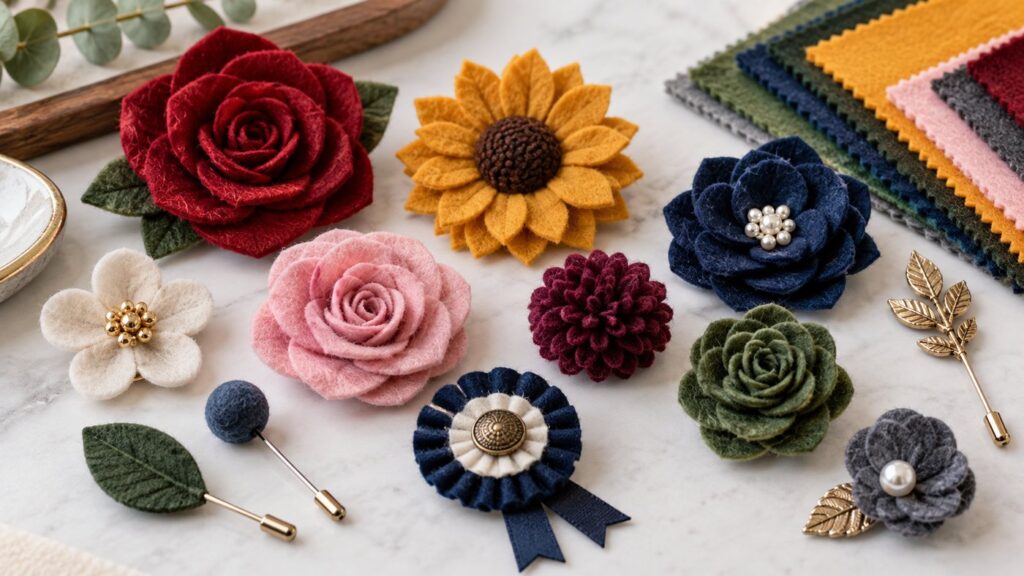
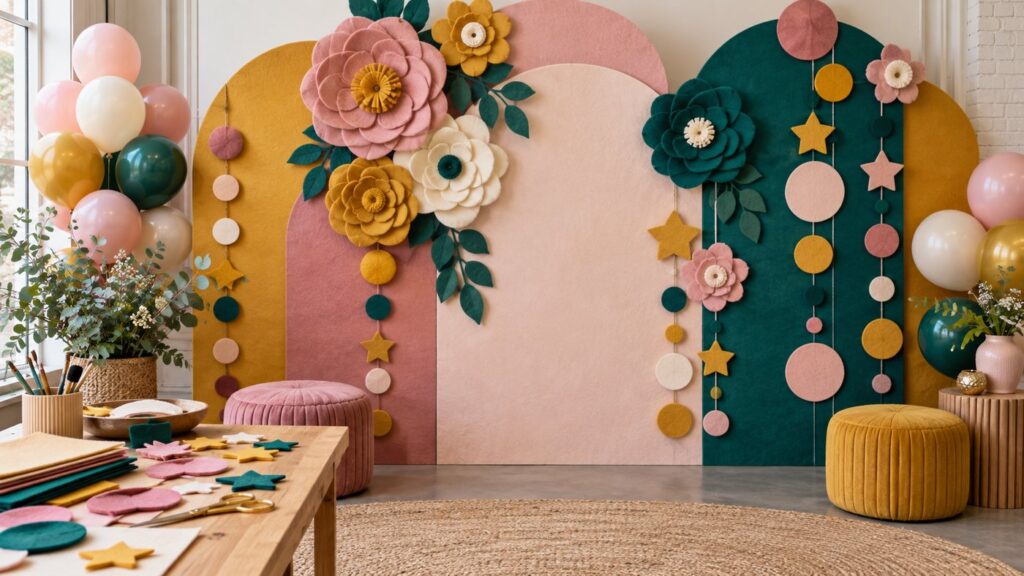
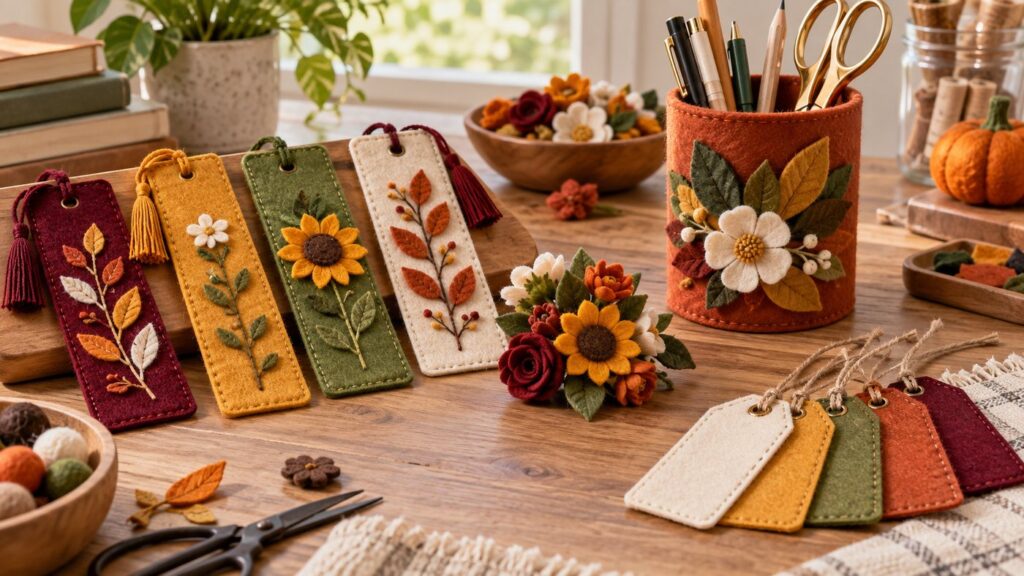
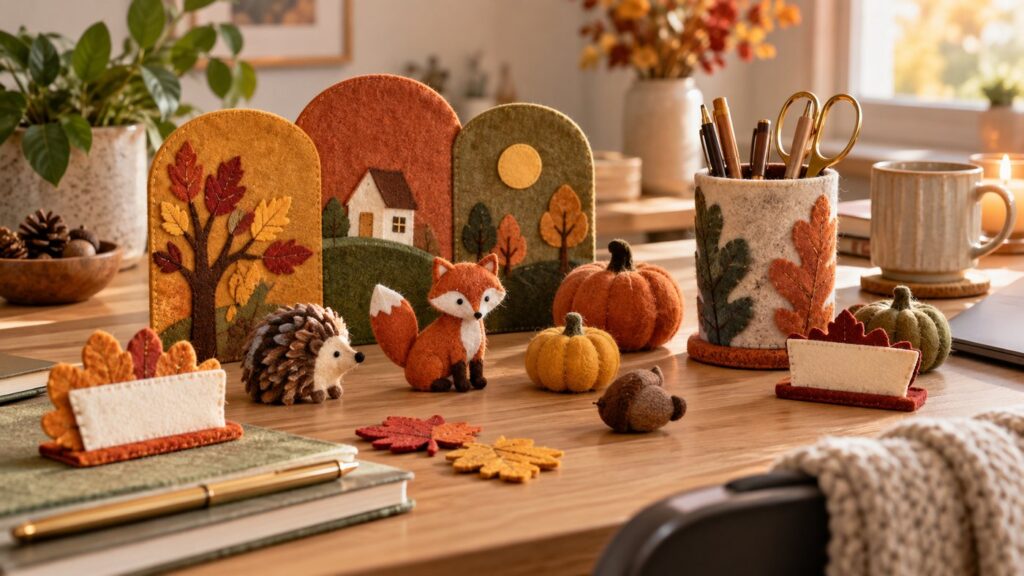
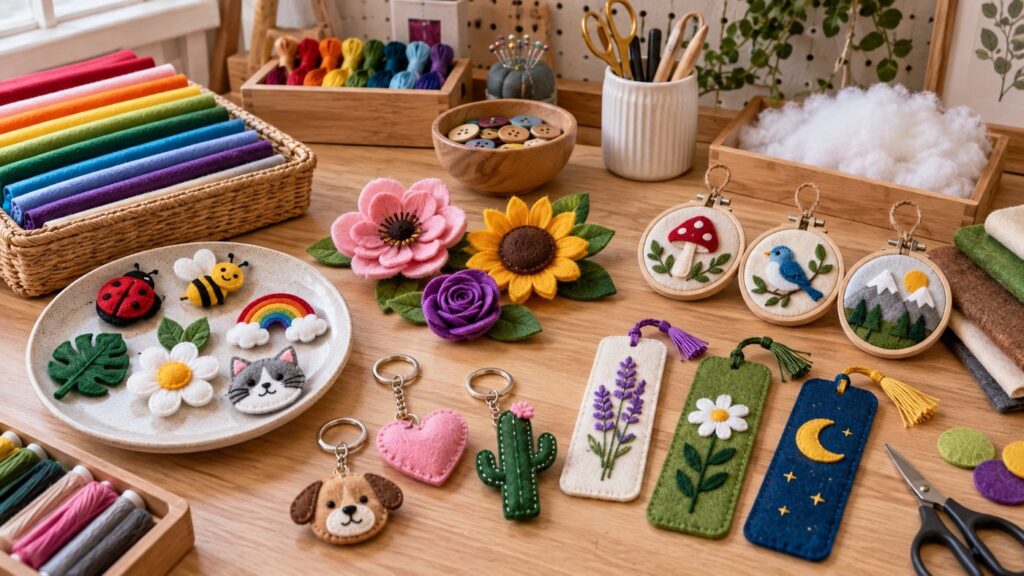
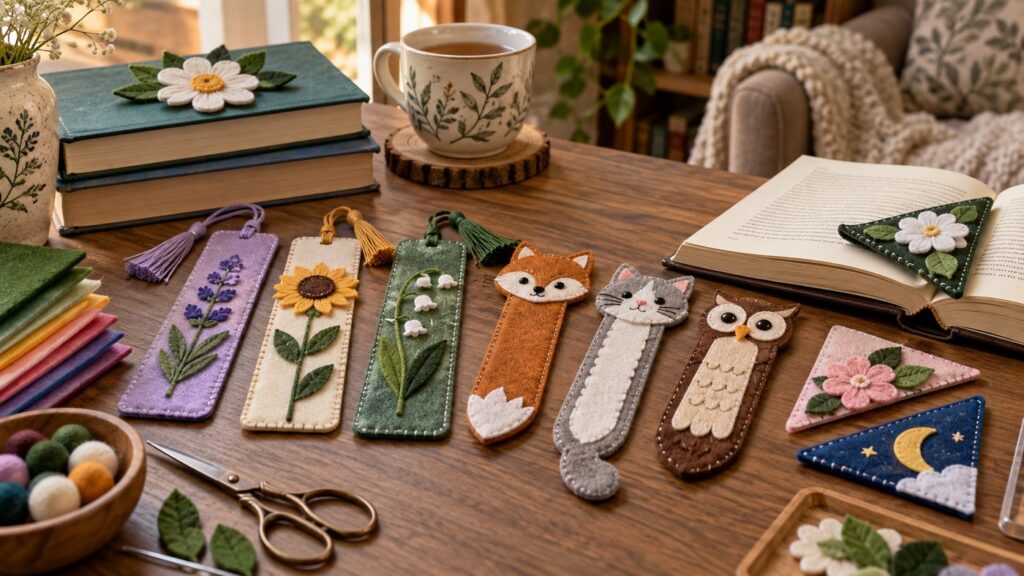
Thanks to its flexibility and durability, felt has been used in many areas throughout history. Traditionally, nomadic communities used felt for clothing, footwear, saddles, and shelters. In arts and crafts, felt is widely used to create accessories, toys, decorations, and wall art due to its ease of shaping and sewing-free application.
In the fashion world, felt has been rediscovered as a durable and sustainable material used in hats, jackets, dresses, and accessories. Felt is also widely used in industrial applications such as sound insulation, thermal insulation, automotive interiors, construction, and furniture manufacturing.
Caring for Felt Fabric: Tips for Long-Lasting Use
Proper care can significantly extend the life of felt fabric:
Prevent Deformation: Use steam cautiously with a protective cloth.
Gentle Cleaning: Avoid machine washing. Hand wash gently with cold water and mild detergent.
Stain Removal: Dab stains gently with a damp cloth; avoid harsh scrubbing.
Drying: Lay flat to dry away from direct sunlight. Do not wring.
Storage: Store felt in a dry place, preferably rolled rather than folded.
Prevent Pilling: Use a fabric shaver or lint remover carefully if needed.
With proper care, felt remains a durable and long-lasting material.
DIY Projects: Unleash Your Creativity with Felt
Felt is an excellent DIY material for beginners and experienced crafters alike. Here are some creative ideas:
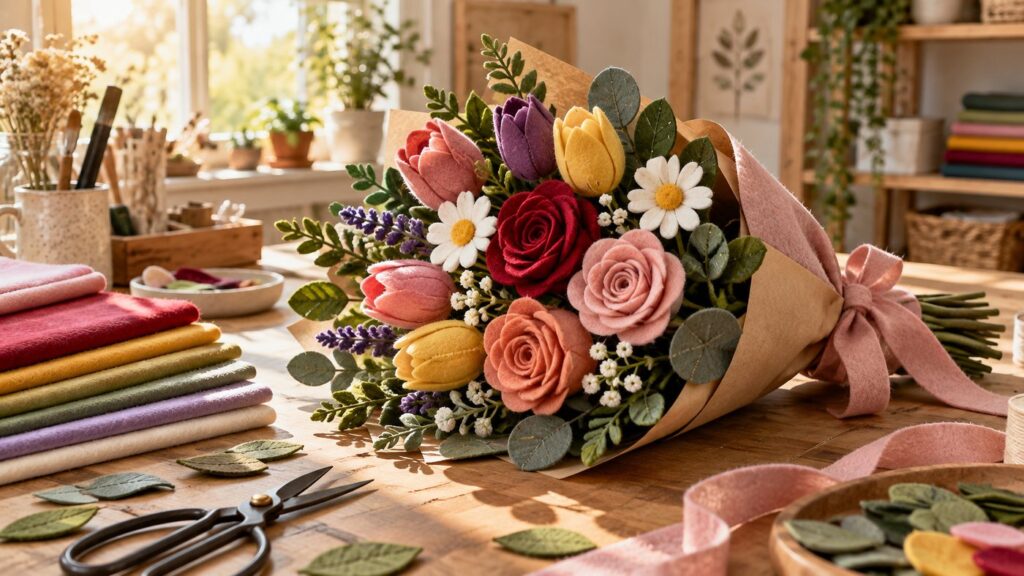
- Felt flowers
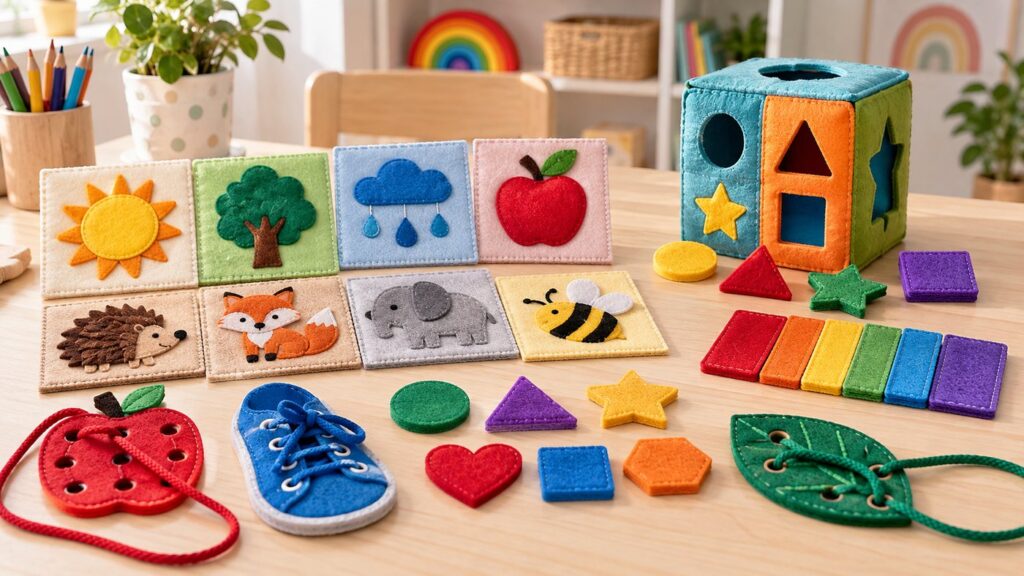
- Felt toys
- Decorative pillows
- Wall decorations
- Handbags and wallets
- Table runners and placemats
- Jewelry
- Mobiles and wind chimes
Working with felt allows you to express creativity and produce unique, handmade items. Whether decorative or practical, felt projects offer enjoyable and rewarding crafting experiences for all ages.